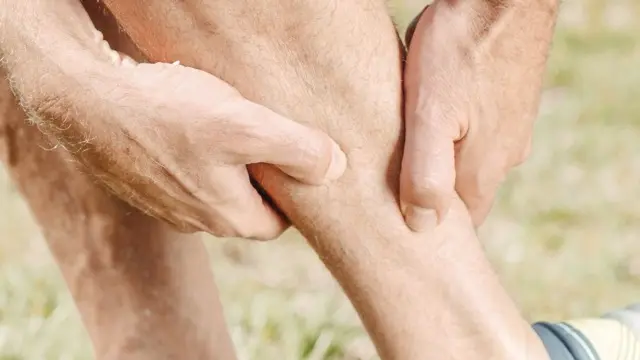
Aching Legs: Causes, Relief and When to See a Doctor
Why are my legs aching? Venous causes such as weak vein valves, plus muscle, joint and nerve causes, how to relieve aching legs and calves at home, and the signs that need a doctor.
Section 01 of 06
Clear explanations of varicose veins, spider veins, chronic venous insufficiency, blood clots and other vein conditions — what causes them, how they feel and when they need a doctor.
Why are my legs aching? Venous causes such as weak vein valves, plus muscle, joint and nerve causes, how to relieve aching legs and calves at home, and the signs that need a doctor.
Are varicose veins genetic or hereditary? How family history raises your risk, what else contributes, and the everyday steps that can still make a difference.
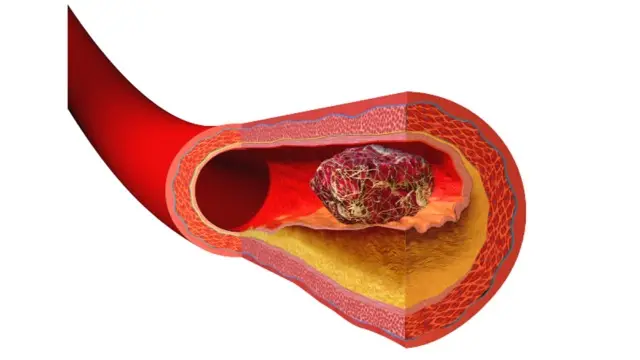
What is a blood clot, why do clots form, and what is the difference between arterial and venous clots? Causes, warning signs and when to call 995.
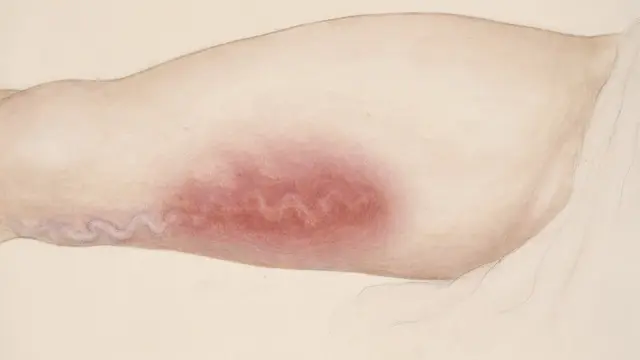
Complications of varicose veins explained calmly: bleeding, vein inflammation, clots, skin changes and leg ulcers, how common they are, first aid for bleeding and when to get help.
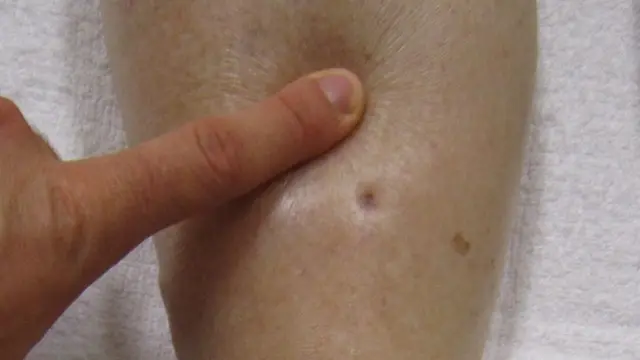
What is edema? A plain-English guide to oedema meaning, pitting and pedal edema, peripheral edema in the legs, common causes and when swelling points to a vein, heart, kidney or liver problem.
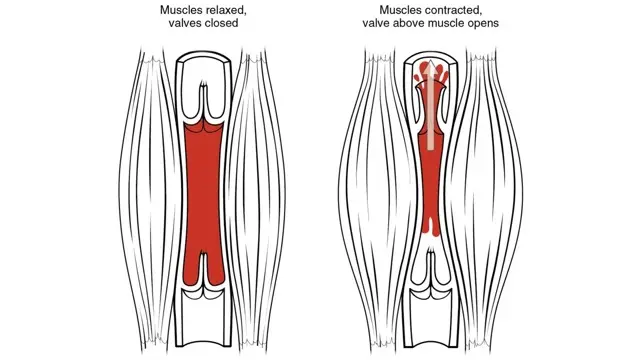
How do veins work? Learn how blood veins carry blood to the heart, the role of one-way valves and the calf pump, veins vs arteries and what venous means.
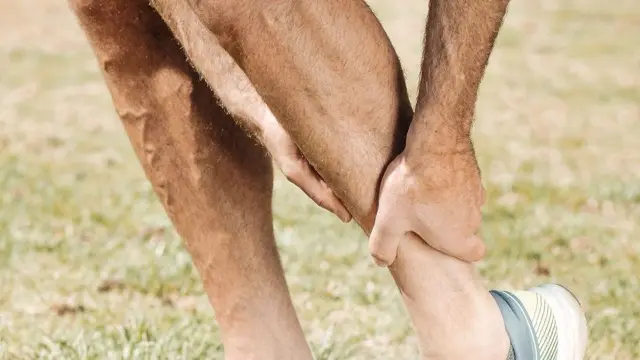
Why leg cramps at night happen, how to stop a calf cramp quickly, how to help prevent them and when cramps point to a vein, circulation or nerve problem that needs a doctor.
Why do legs ache or hurt at night? How vein problems, muscle cramps, nerves, restless legs and poor circulation differ, what you can do at home and which signs need a doctor.
A plain-English map of leg pain causes: veins, arteries, muscles, nerves, joints and blood clots, how each tends to feel, red flags to act on and when to see a doctor.
Leg pain when walking can come from veins, arteries, nerves or muscles. Learn how vein pain differs from claudication, what calf pain after walking may mean and when to get help.
A rash on legs can come from poor vein flow, eczema, allergy or infection. Learn how a venous rash looks, when it is not venous, red flags and when to see a doctor.
What restless leg syndrome (RLS) is, its symptoms and causes, how it relates to varicose veins, self-care that may help and when to see a doctor.
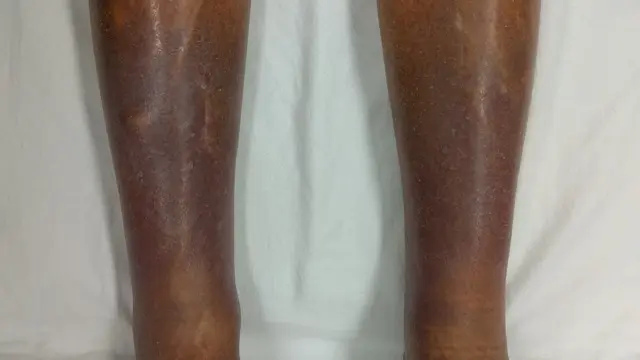
Stasis dermatitis is an itchy, discoloured skin change on the lower legs caused by poor vein flow. Learn the signs, stages, causes, treatment options and when to see a doctor.
Swollen feet in the elderly can come from veins, heart, kidneys, medicines or limited movement. Learn the causes, what carers can do to reduce swelling, and the red flags that need medical care.
Do varicose veins go away after pregnancy? A realistic timeline after birth, why some veins stay, when to get checked and when treatment makes sense.
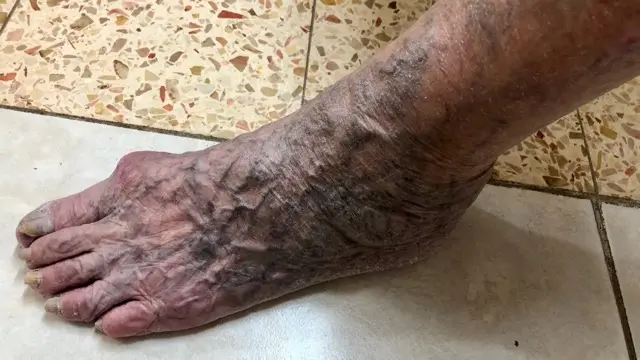
Varicose veins in feet and ankles: why they appear, how they differ from spider veins and ankle flare, what discomfort to expect, self-care and when to see a doctor.
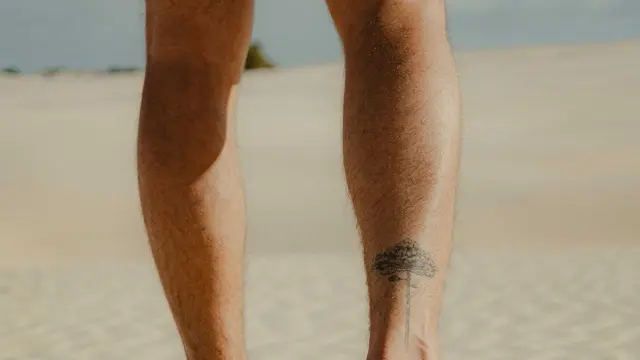
Can men get varicose veins? Yes. Learn how common varicose veins in men are, why they can appear in your 20s, what raises risk and why many men delay getting checked.
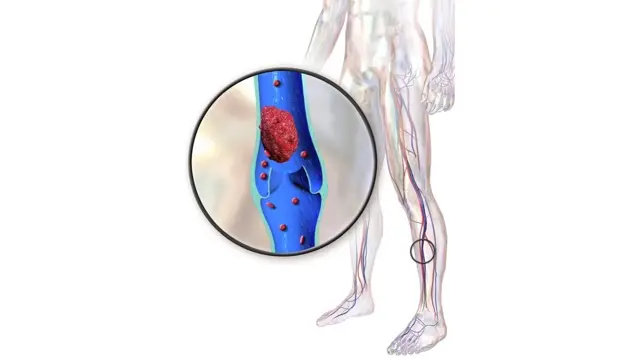
VTE stands for venous thromboembolism, the term covering deep vein thrombosis and pulmonary embolism. Learn what it means, who is at risk, warning signs and prevention.
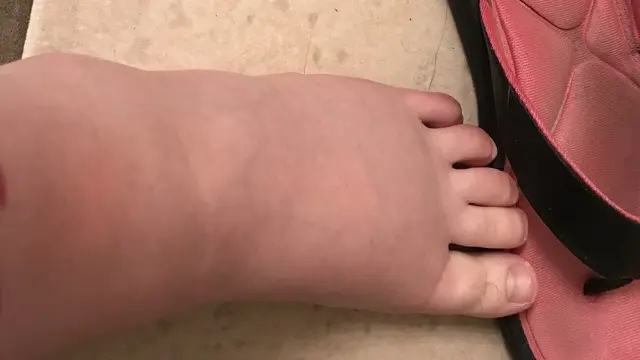
What causes water retention in feet and legs? Everyday reasons, vein problems, medicines, and heart, kidney or liver conditions, plus the warning signs that mean you should see a doctor.
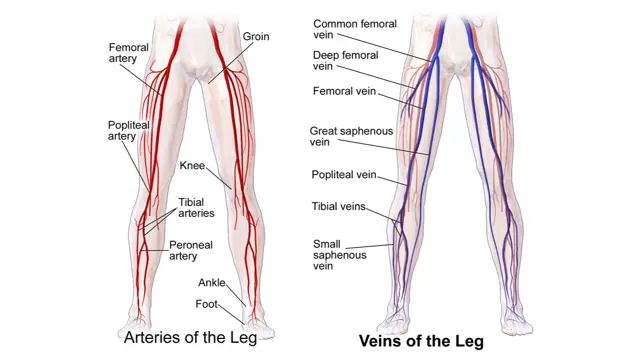
Arterial vs venous ulcers differ in cause, location, appearance, pain and treatment. See a clear comparison, why the difference matters for compression, and when to get help.
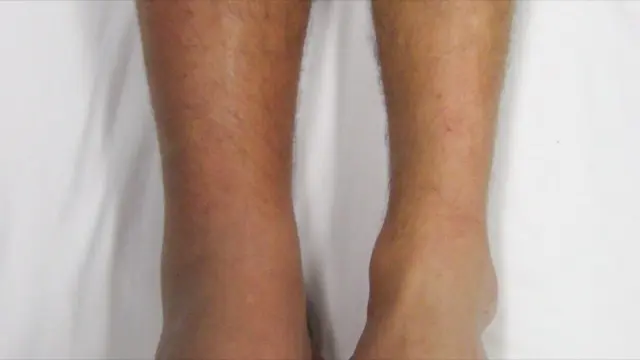
Blood clot in leg symptoms explained in plain English. What a clot feels and looks like, early signs, how doctors check, and the warning signs that mean call 995.
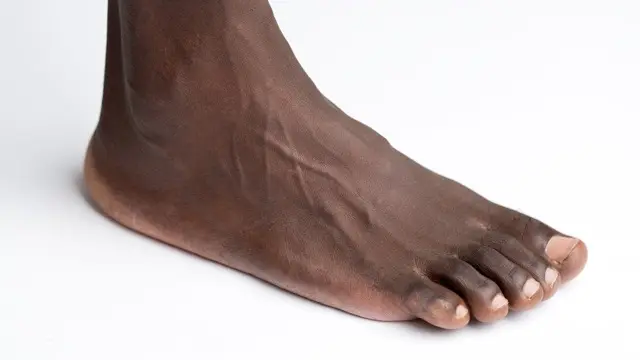
Noticing sudden bulging veins on top of feet? Learn the common causes, which signs are harmless, which need a check and when to call 995.
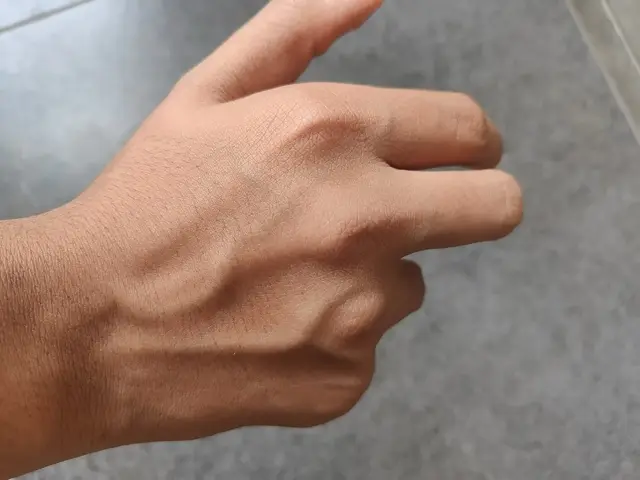
Why are the veins in my hands bulging? Learn the common harmless causes, the signs that need a check and when sudden bulging veins with pain mean seeing a doctor.
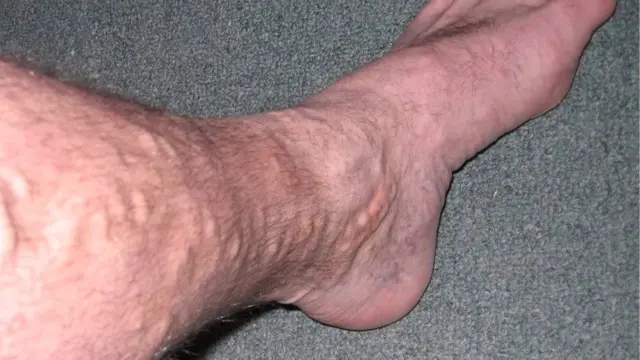
Bulging veins in legs not varicose are common in fit, slim or warm-weather legs. Learn the harmless causes, the signs that suggest vein disease, and when to get checked.
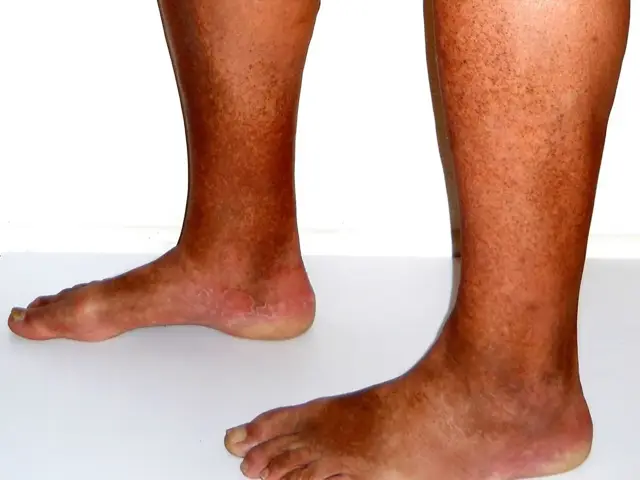
What chronic venous insufficiency is, what causes leaky leg veins, the early stages and symptoms to watch for, how it is diagnosed and when to see a doctor.
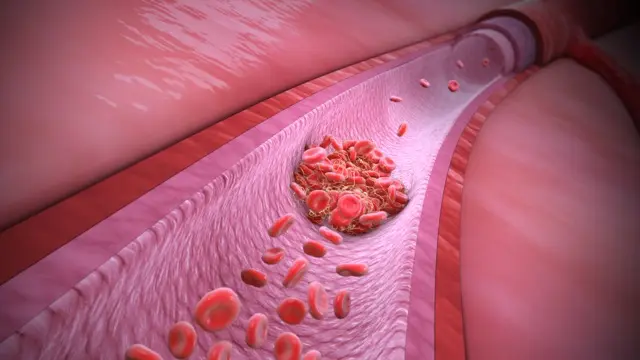
What deep vein thrombosis is, what causes blood clots in the legs, who is at risk, why it matters, and when a swollen, painful leg needs urgent care.
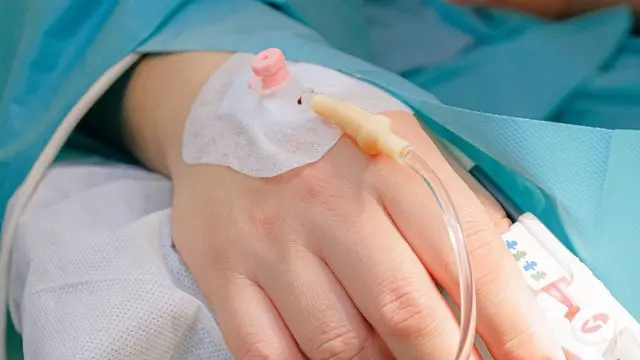
Phlebitis IV explained: why a vein becomes inflamed after a drip or cannula, the signs, phlebitis vs infiltration, how it is managed, and when it needs urgent attention.
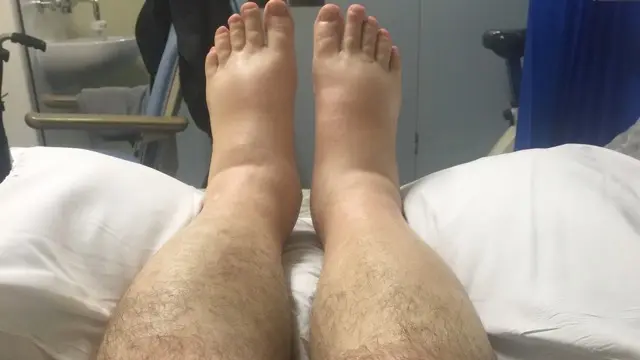
Leg swelling causes explained, from harmless fluid build-up to vein, heart and kidney problems, and how to tell whether swelling of the legs is dangerous.
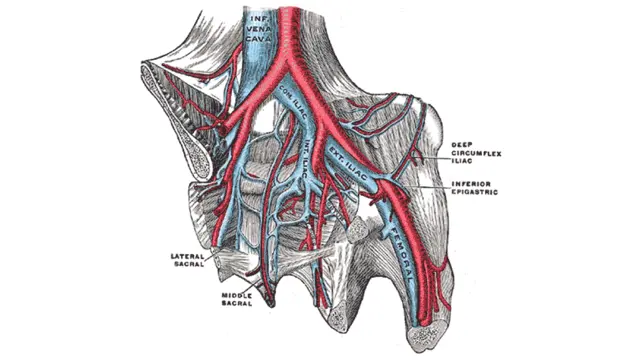
What May-Thurner syndrome is, why it can cause left leg swelling and clots, its symptoms, how it is diagnosed, the role of stents and what to expect long term.
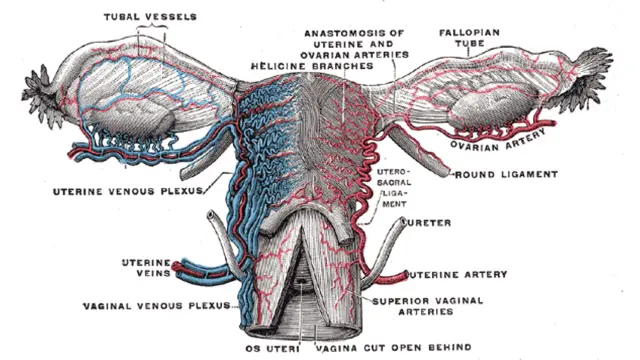
What pelvic congestion syndrome is, its symptoms and causes, how it is diagnosed, whether it is serious, and when long-term pelvic pain needs a medical review.
What is phlebitis? Definition, symptoms and causes of phlebitis and superficial thrombophlebitis, how they differ from DVT, and when to get urgent help.
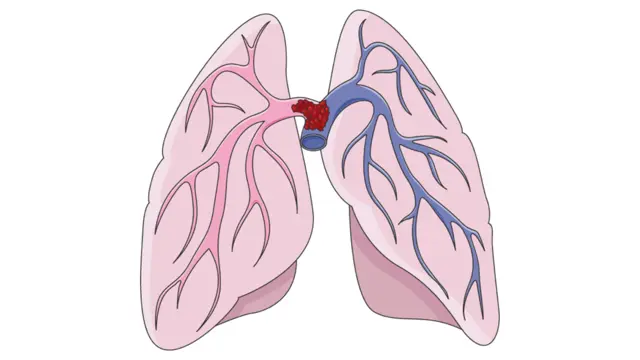
What is a pulmonary embolism? Learn the symptoms and signs, the causes, how it relates to leg blood clots (DVT), and why it is a 995 emergency.
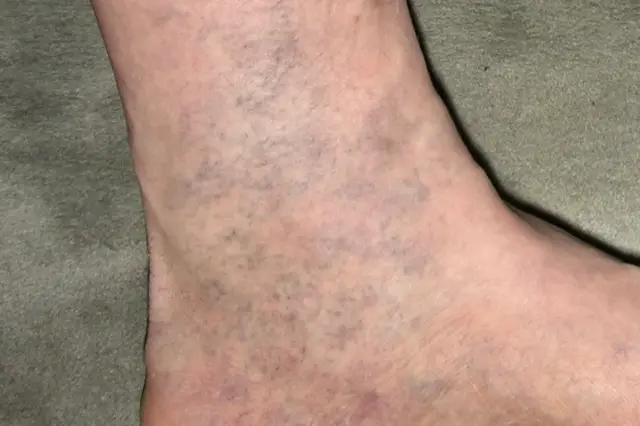
Spider veins on feet and ankles are usually harmless, but a fan of tiny veins around the ankle can be an early sign of venous disease. Learn what to look for.
Spider veins on the face are small, widened skin vessels often linked to sun damage and rosacea. Learn the causes, how laser treatment works, and what creams can and cannot do.
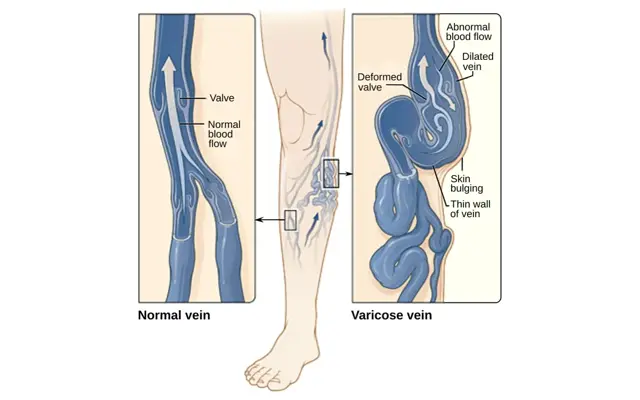
Spider veins vs varicose veins explained: how size, look, symptoms and causes differ, when spider veins signal deeper problems, and which need medical attention.
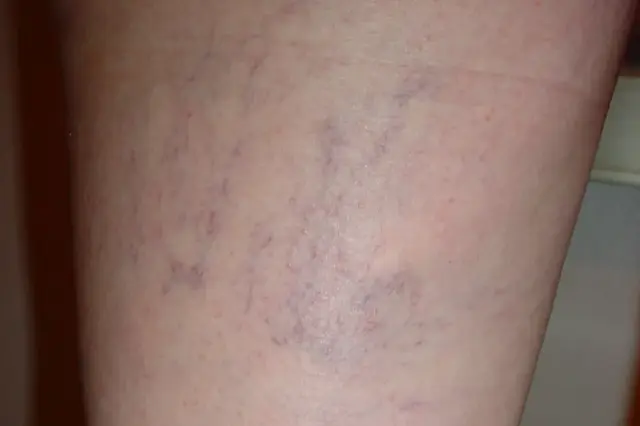
What are spider veins, what causes spider veins on legs, are they dangerous, and when can they signal deeper vein problems? A plain-English guide.
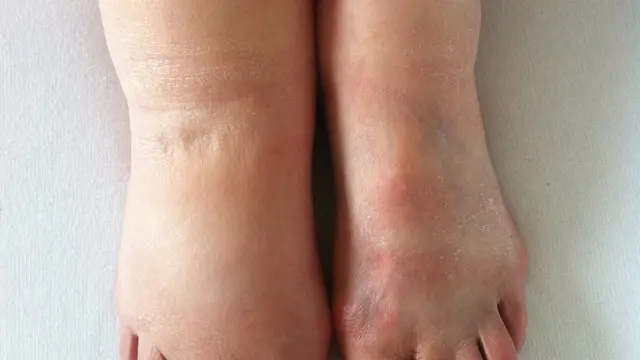
Left leg swelling or swelling in one leg: possible causes including DVT, May-Thurner syndrome, infection and injury, plus warning signs that need urgent care.
Why are my ankles swollen? Common causes from heat and standing to vein, heart, kidney and medicine problems, which signs are urgent and when to see a doctor.
Why varicose veins pregnancy symptoms happen, what is safe, how vulvar varicose veins differ, whether veins go away after birth and when to get help.
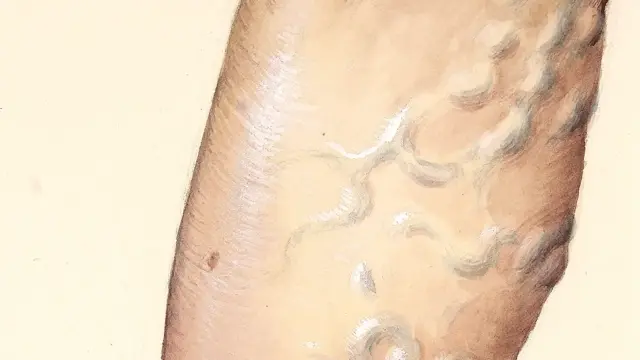
The stages of varicose veins explained, from no visible signs (C0) to open leg ulcers (C6), using the CEAP classification doctors use, and what each stage means for you.
Pain in the vein of leg or a sore vein in the leg can have many causes, from tired legs to vein inflammation or a clot. Learn the signs that need urgent care.
A venous ulcer is a slow-healing sore on the lower leg caused by poor vein function. Learn the causes, symptoms, what a venous stasis ulcer looks like and when to seek care.
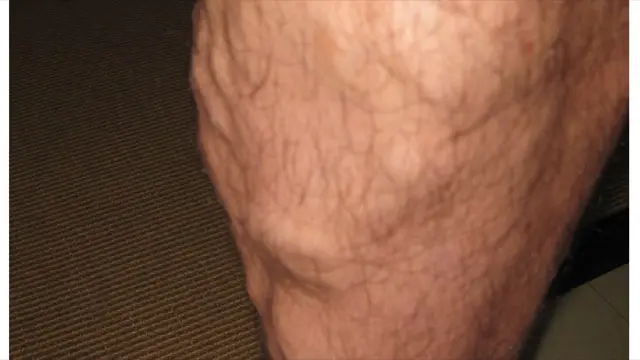
What varicose veins are, why they happen, the symptoms to look out for, how they're diagnosed and which signs mean you should see a doctor.
Arteries carry blood from your heart to your legs. Veins carry it back up — against gravity. To do that, leg veins rely on two things: the calf muscle pump, which squeezes the veins every time you walk, and tiny one-way valves inside the veins that stop blood falling back down between beats.
Most vein conditions start when those valves stop closing properly. Blood pools in the lower leg (doctors call this venous reflux), pressure in the veins rises, and over months or years the veins stretch, bulge and leak fluid into the surrounding tissue.
Visible veins on their own are common and often harmless. But it is worth seeing a doctor if you have aching, heaviness or swelling that gets worse through the day, skin changes around the ankle, bleeding from a vein, or a wound that is not healing. Our free vein symptom check can help you think through your symptoms.