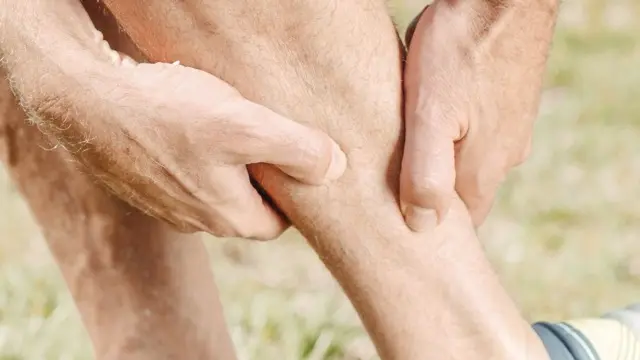
Pain in the vein of the leg can be anything from the dull ache of tired legs to a warning sign of a blood clot. Because the same word, “vein”, is often used for a bulging surface vein, a deep leg ache and a tender cord under the skin, it helps to know the main possibilities and which features need prompt attention. This page explains why a vein in your leg may hurt, what the different kinds of pain suggest and when to see a doctor.
What leg vein pain can feel like
People use many words: aching, heaviness, throbbing, burning, cramping, itching or tenderness. The pattern matters.
- Worse after standing, better with elevation: typical of valve problems in the veins.
- A firm, tender, red line under the skin: typical of inflammation of a surface vein.
- Deep pain with swelling, warmth or redness in one leg: may suggest a deep vein clot and needs urgent assessment.
- Pain after an obvious knock or strain: may be an injury or bruise.
Common causes of a sore vein in the leg
Venous insufficiency and varicose veins
Healthy leg veins have one-way valves. When they weaken, blood flows backwards and pools, raising pressure in the vein. This can cause aching, heaviness, throbbing, swelling, night cramps and itching, often worse in the evening or after standing. It may come with visible varicose veins or may occur with veins that look almost normal. Our page on chronic venous insufficiency explains this in depth. NICE guideline CG168 advises that people with symptoms from varicose veins be assessed by a vascular service with a duplex ultrasound.
Inflammation of a surface vein (superficial thrombophlebitis)
Sometimes a vein just under the skin becomes inflamed, and a small clot forms in it. The vein feels hard, tender and warm, with red skin over a cord-like line. It can happen in a varicose vein, after an injury or a drip, or without a clear reason. It is usually less dangerous than a deep clot, but it can sometimes extend, or occur together with a deep clot, so a check and ultrasound are advised, particularly if the area is large, near the groin or behind the knee, or you have swelling.
Deep vein thrombosis (DVT)
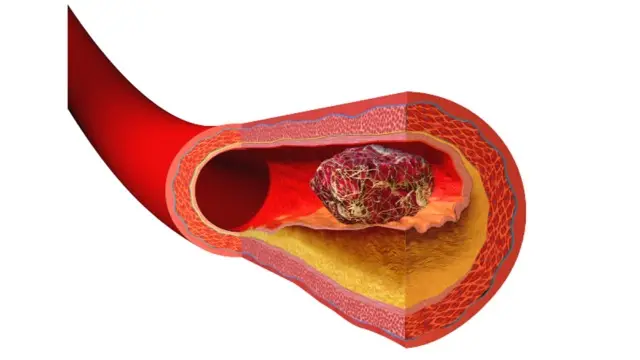
A clot in a deep vein can cause pain, tenderness, swelling, warmth and discolouration, typically in one leg. Pain is often felt in the calf and may feel like a cramp or pulled muscle that does not go away. Some people have swelling with little pain. Because a deep clot can travel to the lungs, it needs prompt assessment. See swelling in one leg and our page on preventing DVT.
Pelvic and other vein causes
Veins in the pelvis can also be involved. Some women have pelvic vein problems that contribute to leg heaviness and aching. These are less common and assessed by specialists.
Causes that are not from the veins
Not every pain people call “vein pain” is vein-related. Muscle strains, cramps, tendon problems, nerve irritation (such as sciatica), arthritis and poor arterial circulation can all cause leg pain. Pain in the calf when walking that eases with rest can suggest an artery problem, which is a different condition altogether. That is one reason a proper examination is useful.
Is the pain from varicose veins?
Pain from visible swollen veins is common, but it is covered separately. Our pages on varicose veins and the stages of varicose veins explain how symptoms can change over time. If you have aching but only fine web-like veins, see spider veins, which are usually painless but sometimes tender.
What you can try for mild aching
For mild, two-sided aching in tired legs with no warning signs, these steps often help:
- Walk regularly and avoid standing or sitting still for long periods.
- Raise your legs above heart level for a while in the evening.
- Wear comfortable shoes and loose clothing.
- Keep a healthy weight.
- Consider compression stockings if a doctor agrees. Our compression stockings guide explains how they work.
Do not massage a hard, red or painful vein, and do not use creams or heat on a leg you suspect has a clot. If swelling is part of the picture, our page on leg swelling will help you consider the possible causes.
How doctors find the cause
A doctor will ask about the type, timing and location of the pain, your health history and any recent travel, injury or surgery. They will examine your legs. A duplex ultrasound scan is the standard test for both vein valve problems and clots. Blood tests may be added. Once the cause is known, treatment can be targeted, from compression and lifestyle changes to blood-thinning medicines for a clot, or procedures to close faulty veins. See varicose vein treatments compared for the options when valve problems are the cause.
Questions to think about before your appointment
A few details help a doctor find the cause faster. Consider when the pain started and whether it came on suddenly. Think about whether it is in one leg or both, and whether it is worse after standing or when you walk. Notice whether there is swelling, redness, warmth or a hard line along a vein, and whether you have recently travelled, had surgery or hurt the leg. Also list your medicines, including hormones, and any family history of vein problems or clots.
Why vein pain should not be ignored
Aching from valve problems may seem minor, but untreated venous disease can progress in some people to swelling, skin changes and, over time, leg ulcers. A painful surface vein can sometimes extend into the deep system. A deep vein clot can lead to a lung clot. Most of these outcomes can be prevented or treated if the problem is found early, so a vein that hurts is worth a proper look.
What treatment may involve
Treatment depends on the cause. For valve problems, options range from lifestyle changes and compression to procedures such as vein ablation, sclerotherapy or VenaSeal, selected after an ultrasound. For surface vein inflammation, treatment may include pain relief, warm or cool compresses and, depending on the extent, blood-thinning medicine. A deep clot is treated with prescribed blood thinners. Your doctor will choose what is suitable.
When to see a doctor
See a doctor promptly if the pain is new, severe or getting worse, or if you notice:
- swelling in one leg;
- a hard, red, warm or very tender vein;
- skin darkening, eczema, sores or ulcers near the painful area;
- bleeding from a vein;
- pain after surgery, hospital stay or a long journey.
Arrange a vein assessment if aching and heaviness are affecting daily life, even if there are no warning signs.
Call 995 immediately if leg pain comes with sudden chest pain, sudden breathlessness or coughing up blood. These may be signs of a clot in the lungs.
This page is general education and not a substitute for personal medical advice.
Frequently asked questions
Why does a vein in my leg hurt?
Common causes include leaking vein valves, inflammation of a surface vein (phlebitis), a blood clot, an injury or bruise, and conditions that are not from veins at all, such as muscle strain or nerve problems. A doctor can tell them apart.
What does a sore vein in the leg feel like?
People describe aching, heaviness, throbbing, burning or tenderness along the vein. A vein with inflammation may feel firm and tender, with warm, red skin around it.
Is leg vein pain a sign of a blood clot?
It can be. A deep vein clot often causes pain and swelling in one leg, while a clot in a surface vein usually causes a tender, firm, red cord under the skin. Because you cannot tell by feel, new painful veins should be checked.
Can I treat a painful vein at home?
Mild aching from tired legs often eases with walking, elevation and avoiding long periods of standing. But a hard, red, hot or very painful vein, or pain with swelling, should be assessed before you try home care.
Do varicose veins hurt?
They can. Many people have aching, heaviness or throbbing, but some have none. Pain from varicose veins is a topic of its own, and a vein specialist can assess whether the veins are the cause.
Sources and further reading
This article is general information, not personal medical advice. Please speak to a doctor about your own symptoms. How we create our content.