Spider veins vs varicose veins at a glance
If you have noticed new veins on your legs, it helps to know which type you have. Spider veins vs varicose veins is mostly a question of size, appearance and symptoms, but also of what lies beneath the skin.
| Feature | Spider veins | Varicose veins |
|---|---|---|
| Size | Under 1 mm | Typically 3 mm or more |
| Look | Thin red, blue or purple lines, web or starburst shapes | Bulging, twisted, rope-like, often blue or dark purple |
| Feel | Flat; you cannot feel them | Raised; can feel lumpy |
| Symptoms | Usually none; sometimes mild burning or itching | Aching, heaviness, swelling, cramps, itching |
| Typical places | Thighs, calves, ankles, face | Calves, behind knees, inner thigh |
| Health risk | Low | Can progress to skin changes, ulcers, bleeding, clots in surface veins |
Our detailed guides to spider veins and varicose veins cover each condition on its own.
How they look and feel
Spider veins sit in the skin. They are flat or barely visible to the touch and look like fine lines or a small web. Many people have no symptoms.
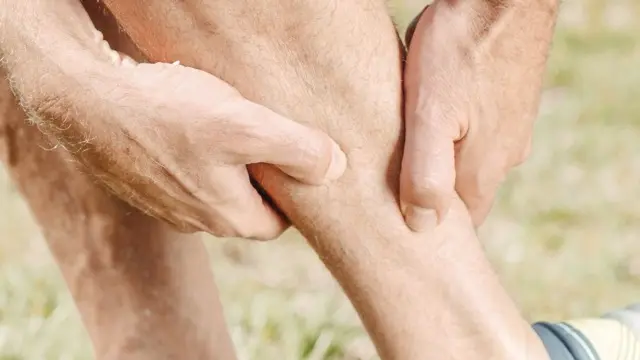
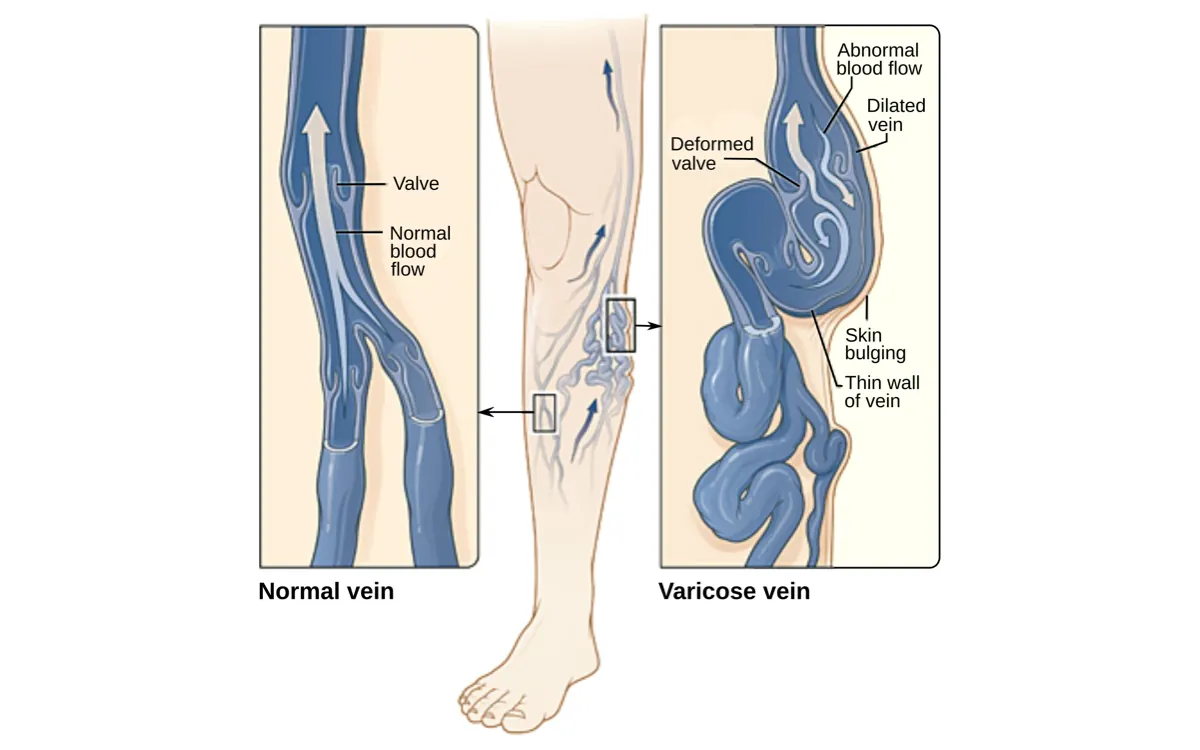
Varicose veins sit just beneath the skin and are enlarged enough to bulge. They can look like twisted cords. They commonly cause tiredness, aching or heaviness, particularly after standing for long periods, and symptoms often ease when you walk or raise your legs.
Some veins fall in between. Doctors also describe “reticular veins”, blue-green veins around 1 to 3 mm wide, that often feed spider veins.
Causes of spider and varicose veins
The causes of spider and varicose veins overlap a great deal, which is why they are so often found together. Shared drivers include:
- Family history. The strongest single factor for both.
- Age. Vein walls and valves weaken over time.
- Hormones and pregnancy. Hormonal changes relax vein walls, and pregnancy increases pressure in the pelvis and legs.
- Long hours standing or sitting. Common in many jobs, from teaching and nursing to retail and office work.
- Excess weight. More pressure in the leg veins.
- Previous leg injury or clot. Can damage valves.
The main mechanical difference is where the problem sits. Varicose veins are usually caused by leaking valves in a larger surface vein, a condition called venous reflux. Spider veins may result from hormones or genetics acting on tiny vessels, or from raised pressure fed by deeper leaking veins. Sun exposure also plays a bigger role for spider veins on the face.
Can spider veins signal a deeper problem?
Sometimes. Spider veins on their own are usually harmless. But when they come with symptoms such as aching, swelling or skin changes, or when they cluster around the ankle, they may signal reflux in larger veins underneath. In that situation, treating only the spider veins can bring them back.
A duplex ultrasound is the way to find out. It is painless, uses no radiation, and shows whether veins are leaking and where. You can read how this assessment works in our varicose veins guide.
Do the two need different treatment?
Often, yes.
- Spider veins are usually treated for appearance, using injections or laser. See spider vein treatment and our guide to sclerotherapy.
- Varicose veins that cause symptoms or complications are treated by closing the leaking vein. Options include radiofrequency or laser ablation, medical glue, foam injections, or surgery, as compared in varicose vein treatments compared.
Treating one does not treat the other, and neither type of treatment stops new veins from forming. For everyday habits that may help, see how to prevent varicose veins.
Quick self-check at home
This cannot replace an examination, but these questions can help you decide how urgently to get checked:
- Is the vein flat and thread-like, or raised and rope-like?
- Do your legs feel heavy, tired or swollen by evening?
- Do you have itching, cramps or restless legs at night?
- Is the skin around your ankle darker, drier or harder than before?
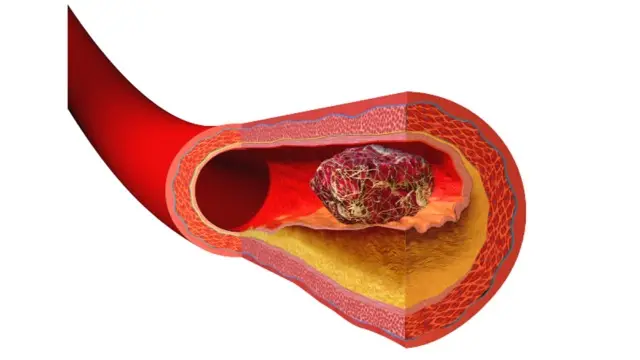
- Is the vein tender, hot or red? That can mean a surface clot and needs checking.
Mostly “flat and no symptoms” points to spider veins. “Raised, aching or skin changes” points to varicose veins and deserves a scan.
Cost and insurance in Singapore
In general, treatment of symptomatic varicose veins with reflux confirmed on ultrasound is regarded as medically necessary and may be claimable from MediSave and insurance, while purely cosmetic spider vein treatment generally is not. Rules vary by plan, so check with your insurer. Our guide to varicose vein treatment costs in Singapore explains the usual picture.
Why the difference matters
Many people ignore bulging veins because they assume they are the same as harmless spider veins. The distinction is useful for three reasons.
Risk. Varicose veins reflect longer-standing high pressure. Without treatment some people go on to develop swelling, skin changes and leg ulcers, and bleeding or surface clots can occur. Spider veins rarely cause these problems.
Symptoms. Spider veins are mainly noticed for how they look. Varicose veins are more likely to ache, itch, throb or swell, and symptoms often worsen by the end of the day.
Treatment pathway. Because varicose veins can be medically significant, they follow a clinical pathway: assessment, ultrasound, then a choice of procedure. Spider veins are often a personal choice about appearance, unless they come with symptoms.
If you are not sure where you sit, remember that the two can overlap. A small cluster of spider veins at the ankle alongside heavy, achy legs is a good reason to book a scan rather than assume it is only cosmetic.
When to see a doctor
Arrange an assessment if:
- Your legs ache, swell or feel heavy most days
- Veins are bulging, getting bigger, or becoming more painful
- You notice skin darkening, dryness, hard patches or a slow-healing sore near the ankle
- A vein has bled
- You are unsure which type you have
Try our vein symptom check or read about finding a vein specialist. For a clinic’s own comparison, see this page on spider veins vs varicose veins.
When it’s an emergency: sudden pain, swelling, warmth or redness in one leg may be a deep vein thrombosis. If it comes with breathlessness, chest pain or coughing up blood, call 995 or go to the nearest emergency department immediately.
Frequently asked questions
What is the main difference between spider veins and varicose veins?
Size and depth. Spider veins are very small vessels in the skin that look like thin red, blue or purple lines. Varicose veins are larger veins just beneath the skin that bulge and twist, and are more likely to cause symptoms.
Do spider veins turn into varicose veins?
Not directly. One does not simply become the other, but they share risk factors, and some people with spider veins have leaking valves in larger veins underneath that can later become varicose.
Which one is more serious?
Varicose veins, because they reflect higher pressure in larger veins and can lead to swelling, skin changes, ulcers and bleeding in some people. Spider veins alone are usually harmless.
Can I have both at the same time?
Yes, it is very common, particularly on the legs. Treating one does not treat the other.
Are the treatments the same?
Partly. Injections can be used for both, but larger varicose veins with a leaking main vein often need heat-based closure or glue first, while spider veins are usually treated with injections or laser.
Sources and further reading
This article is general information, not personal medical advice. Please speak to a doctor about your own symptoms. How we create our content.