Phlebitis IV (also called IV phlebitis) is inflammation of a vein that develops after a drip or cannula has been placed in it. It is one of the more common minor complications of intravenous therapy, and it is relevant both to patients who notice a sore arm or hand and to nurses who monitor drip sites. This page explains what causes it, how to recognise it, how it differs from infiltration, and when it needs prompt attention. It is general education, not a replacement for advice from your own care team.
What is IV phlebitis?
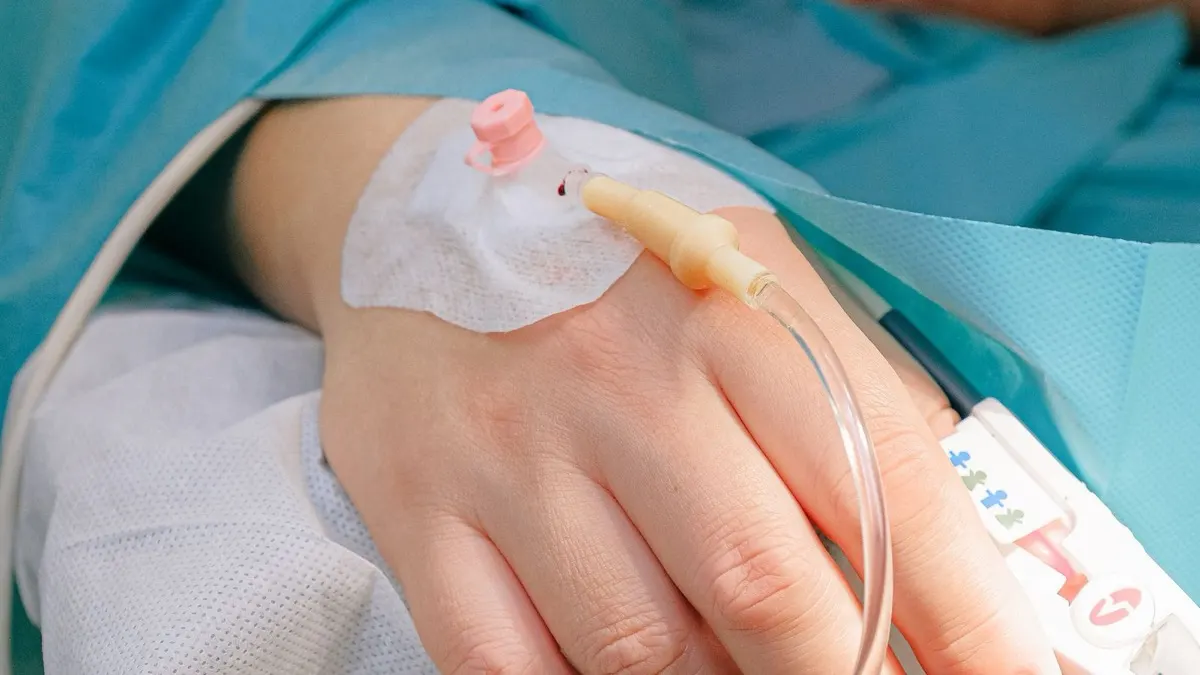
Phlebitis means inflammation of a vein. When it follows a cannula (a thin plastic tube placed in a vein to give fluids or medicines), it is often called phlebitis from IV therapy or infusion phlebitis. The vein lining becomes irritated, which causes pain, redness and swelling along the vein. For the general condition, including inflammation that is not drip-related, see our overview of phlebitis.
IV phlebitis usually affects veins in the hand or forearm where cannulas are commonly placed. It can start while the drip is in place or appear a day or two after it is removed.
What causes phlebitis from IV therapy?
Several factors can irritate the vein lining. They are not mutually exclusive.
- Mechanical irritation. The cannula itself can rub the vein wall, particularly if it moves, if it is large for the vein, or if it sits near a joint such as the wrist or elbow.
- Chemical irritation. Some medicines and fluids are more irritating to veins because of their acidity, concentration or other properties. The risk is higher with certain drugs, which is why teams choose the infusion route and speed with care.
- Time in place. The longer a cannula stays in the same vein, the greater the chance of inflammation. Many hospitals review cannulas regularly and remove those not needed.
- Infection. Germs entering at the insertion site can cause an infective phlebitis. Good hand hygiene and clean technique reduce this risk.
- Patient factors. Fragile or small veins, repeated cannulation, and conditions that affect veins or healing can make phlebitis more likely.
Signs and symptoms
Look for changes at or along the vein near the insertion site:
- pain or tenderness, often the earliest sign;
- redness, which may form a streak along the vein;
- warmth over the area;
- swelling;
- a firm, cord-like, tender vein that you can feel;
- in more advanced cases, pus at the site, a fever or a spreading red area.
Nurses often use a structured scoring scale, such as a visual infusion phlebitis score, to rate the site and decide when to remove the cannula. Patients do not need to use a scale, but should speak up about pain, because discomfort is a signal worth acting on.
Phlebitis vs infiltration
These two problems are easy to confuse, because both can cause a sore, swollen drip site. They are different events and are managed differently.
Phlebitis is inflammation of the vein wall. Typical features are pain along the vein, redness following the vein’s path, warmth and a hard cord.
Infiltration (also called extravasation when the fluid is a damaging medicine) happens when the cannula slips out of the vein or the vein wall is breached, so fluid leaks into the surrounding tissue. Typical features are swelling around the site, skin that feels cool or tight, blanching or a taut look, a drip that runs slowly or not at all, and sometimes discomfort or a burning feeling.
Put simply, in the infiltration vs phlebitis comparison, infiltration is a leak into the tissue and phlebitis is an irritated vein. Both can occur together, and some irritating fluids cause both. Because the right response depends on which it is, a nurse should assess any painful or swollen drip site promptly. Infiltration involving irritant medicines can damage skin and tissue, so it is treated as more urgent than simple mild phlebitis.
How is IV phlebitis managed?
For a patient in hospital, the usual first steps are simple:
- Stop the infusion and remove the cannula if phlebitis is suspected. A new cannula, if still needed, is placed in a different site, often on the other arm.
- Soothe the area. Warm compresses or elevation may be used, based on local practice and your team’s advice. Some teams use topical or oral pain relief, chosen by the clinician.
- Monitor. The site is watched for improvement. Most mild cases settle over days.
- Treat infection if present. Signs such as pus, fever or spreading redness prompt assessment, possible swabs and treatment chosen by the doctor.
For nurses, prevention is part of routine care: choosing an appropriate vein and cannula size, using clean technique, securing the cannula, checking the site at regular intervals, and removing cannulas that are no longer needed. Follow your own unit’s policy and training for scoring and documentation.
Can phlebitis from a drip become a blood clot?
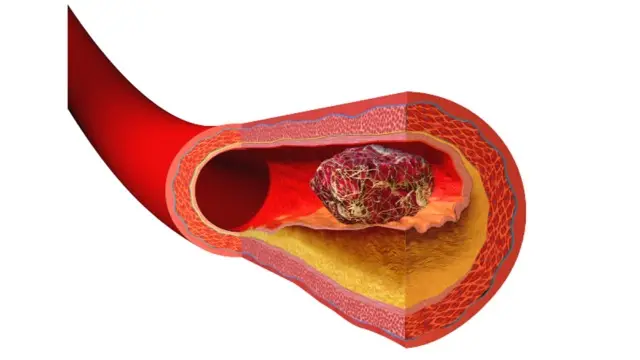
Inflammation in a surface vein can sometimes involve a small clot, called superficial vein thrombosis. This is usually less dangerous than a clot in a deep vein but should not be ignored. If the area becomes swollen beyond the immediate site, or the whole arm or leg swells, a deeper clot has to be excluded. Learn more about clots in deep vein thrombosis. Phlebitis in the legs from other causes is covered in our phlebitis treatment guide.
What to expect afterwards
After the cannula is removed, redness and pain generally ease over several days. A firm cord or tender spot may remain for a few weeks as the vein heals. Gentle movement is usually fine. Avoid massaging a tender, hard vein. If the arm has become a recurring problem, tell your care team, since repeated irritation may affect where future cannulas are best placed.
When to see a doctor
If you are in hospital, tell the nurse or doctor straight away if your drip site becomes painful, red, swollen, hot or leaks, rather than waiting for the next check. If you have been discharged and notice these signs at a former drip site, see your doctor.
Seek prompt medical review if you have:
- redness that is spreading, a red streak moving up the arm, pus or a foul smell;
- fever or chills;
- swelling of the whole arm or hand, or a hard, increasingly painful vein;
- pain that is not settling after several days.
Call 995 immediately if you develop sudden chest pain, sudden breathlessness, coughing up blood, or you feel very unwell with high fever, confusion or fainting. These can signal a clot reaching the lungs or a serious infection.
Frequently asked questions
What is the difference between phlebitis and infiltration?
Phlebitis is inflammation of the vein wall, often with pain, redness and a hard, cord-like vein. Infiltration happens when fluid leaks from the vein into the surrounding tissue, causing swelling, coolness, tightness and discomfort around the site. Their signs can overlap, so nurses assess the site carefully.
What causes phlebitis from IV therapy?
The cannula irritating the vein lining, certain irritating medicines or fluids, a long time in the same vein, a large cannula in a small vein, movement of the cannula and germs entering the site can all contribute.
Is IV phlebitis serious?
It is usually mild and settles after the cannula is removed. It can occasionally become infected or involve a clot, so worsening symptoms should be reported promptly.
How long does IV phlebitis last?
Mild cases often improve within days after the cannula is taken out, though tenderness or a firm cord can linger for a few weeks.
Can a warm compress help phlebitis after a drip?
Warm compresses are commonly advised for mild cases, but check with the nurse or doctor first, especially if the area is very red, spreading or you have a fever.
Sources and further reading
This article is general information, not personal medical advice. Please speak to a doctor about your own symptoms. How we create our content.