Why the veins on top of your feet show
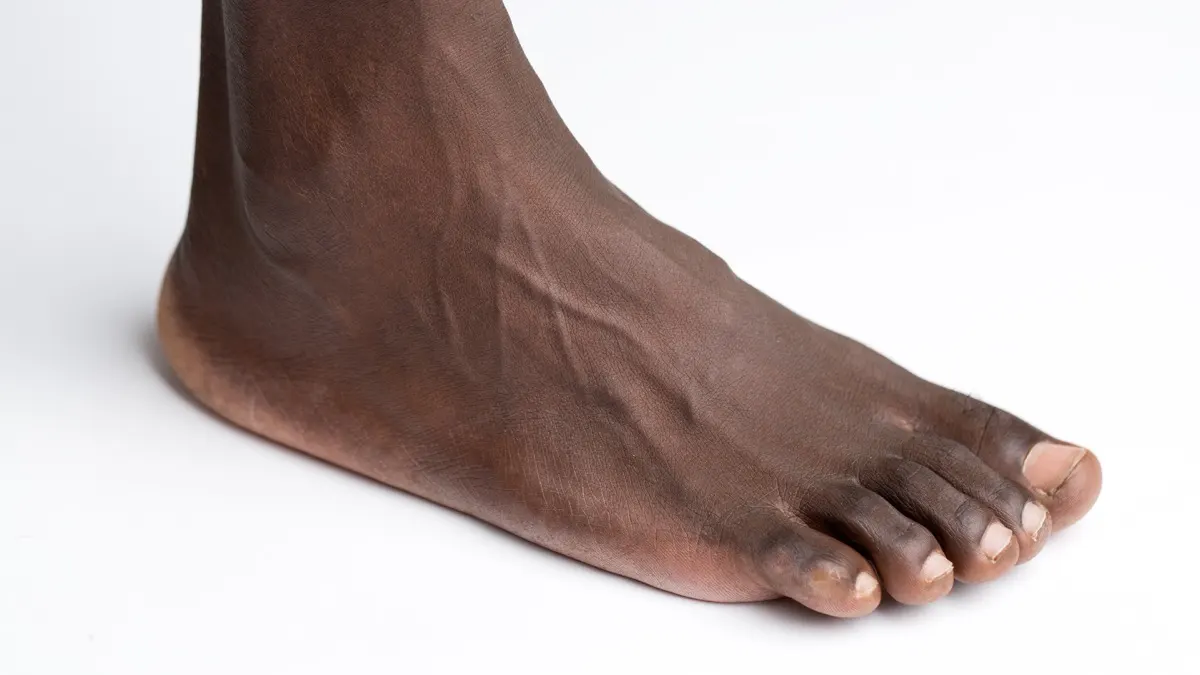
The skin on the top of the foot is thin, and there is very little fat or muscle between it and the veins. This is why the veins on the top of the foot are visible in many people, including healthy, active ones. So when you notice sudden bulging veins on top of feet, the first question is whether anything has actually changed, or whether something has simply made normal veins easier to see.
This guide covers the usual causes, the signs that point to a vein problem, and when to get urgent help. It cannot diagnose you, and some causes need an examination.
Common reasons veins bulge in the feet
Heat and humidity
Warm weather makes blood vessels near the skin widen. In Singapore and the region, veins in the feet often look larger by the end of a hot day or after being outdoors.
Standing or sitting for long periods
Standing still lets blood pool in the lower legs and feet. Long flights, desk work and jobs on your feet can leave the veins fuller and the feet puffy. This is common in nurses, retail and F&B staff, teachers, and drivers.
Exercise
During and after exercise, blood flow to the legs rises and veins become more prominent. Runners and cyclists often notice this and it is generally harmless.
Swelling
Fluid in the feet and ankles can push the veins up under the skin. Swelling can have many causes, from long days on your feet to medical conditions. Read more in our guides on swollen ankles and leg swelling.
Pregnancy and hormones
Hormones relax vein walls and blood volume rises in pregnancy. Pressure from the growing womb slows blood returning from the legs, so foot and leg veins often become more visible. See varicose veins in pregnancy.
Age, weight and genetics
Skin thins with age, and body fat falls in the feet, so veins show through more. A family history of prominent veins or varicose veins also plays a role.
When veins in feet bulging point to a vein problem
When veins in the feet are bulging along with other symptoms, a chronic venous problem may be behind it. Chronic venous disease means the one-way valves in the veins do not close properly, so blood flows backwards and builds pressure. This is called venous reflux. Our page on chronic venous insufficiency explains it in detail.
Signs that suggest venous problems include:
- Aching, heaviness or tiredness in the legs, worse at the end of the day
- Swelling around the ankles and feet
- Visible enlarged or twisted veins in the legs
- Itching or dry, flaky skin on the lower leg
- Darkening of the skin near the ankle
- A small, fan-shaped cluster of tiny veins at the ankle edge (sometimes called corona phlebectatica), which can be an early sign of venous disease. See also spider veins on ankles and feet.
Guidelines such as the ESVS 2022 chronic venous disease guideline and NICE CG168 recommend a duplex ultrasound scan to see which veins are leaking. The scan is painless and uses no radiation.
Could it be a blood clot?
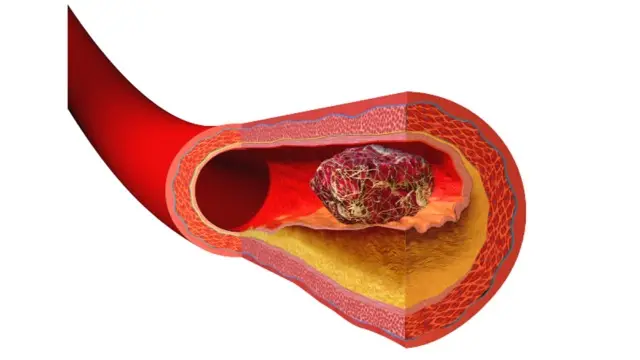
Most bulging foot veins are not caused by a clot. But a blood clot is the important one not to miss. A deep vein thrombosis (DVT) typically causes:
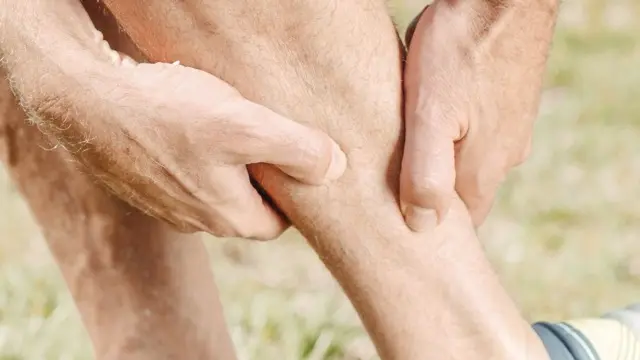
- Pain, tenderness or cramp-like ache in the calf or foot, usually on one side
- Swelling in one leg, ankle or foot
- Warmth or redness over the area
- Surface veins that look fuller than usual
It is more likely after surgery, a long hospital stay, long-distance travel, injury, pregnancy, cancer, or after taking hormone treatments. Our guide to blood clot in leg symptoms describes the warning signs in more detail, and deep vein thrombosis explains how it is diagnosed. NICE NG158 recommends prompt assessment when a clot is suspected.
Do not massage the area or wait to see if it improves if you suspect a clot.
A hard, tender, red cord along a surface vein can also be a superficial clot (phlebitis). It is usually less serious but still needs to be checked. See phlebitis.
Other causes worth knowing about
- Injury or sprain. Bruising and swelling after a twist or knock can make veins look prominent.
- Footwear. Tight straps or shoes can compress the foot, trapping blood in veins above them.
- Inflammation or infection. Redness, heat and swelling with fever need prompt medical care.
- Medical conditions. Heart, kidney, liver or thyroid problems can cause swelling that makes veins more obvious, but they usually come with other symptoms.
What you can do at home
If you have no pain, swelling in only one leg, or other worrying signs, these simple steps may help:
- Raise your feet above heart level for a short rest and see if the veins settle.
- Move regularly. Walk, and flex and point your ankles when you have to sit or stand for long.
- Avoid prolonged standing in one spot. Shift your weight and take breaks.
- Choose comfortable shoes that do not squeeze the top of your foot.
- Stay cool and out of hot water on your feet if they feel swollen.
- Look after your weight and stay active, which reduces pressure on leg veins.
Compression stockings may ease aching and swelling in some people, but they are not suitable for everyone, so have the cause checked first. Learn more in our compression stockings guide.
Do bulging foot veins need treatment?
Not if they are painless and simply visible. If an assessment finds venous reflux that is causing symptoms or skin changes, there are options ranging from compression and lifestyle measures to minimally invasive procedures. You can compare them in varicose vein treatments compared. Treatment decisions depend on your scan and symptoms.
When to see a doctor
Arrange a routine appointment if:
- The bulging veins stay enlarged even after resting with your feet up
- You have aching, heaviness or swelling that happens most days
- You notice skin darkening, itching, dryness or a sore near the ankle
- The veins are getting larger or more numerous
- You are not sure what is causing the change
Seek medical care the same day if you have pain, swelling, redness or warmth in one leg or foot, or a hard, tender cord on a vein. If you want a quick guide, try the vein symptom check.
When it’s an emergency: if you have sudden swelling and pain in one leg together with sudden chest pain, breathlessness, a racing heartbeat or you cough up blood, a clot may have reached the lungs. Call 995 or go to the nearest emergency department immediately.
Frequently asked questions
Why are the veins on top of my feet suddenly bulging?
Common reasons include hot weather, standing or sitting for long periods, exercise, pregnancy, swelling and weight changes. These raise pressure or widen the veins for a time. If the veins stay enlarged, hurt, or come with swelling in one leg, get them checked.
Are veins bulging in feet a sign of a blood clot?
Usually not, but sometimes. A clot in a deep leg vein can cause swelling, pain, warmth or redness in the leg or foot, and surface veins may look fuller. If the change is sudden and one-sided, treat it as urgent and see a doctor the same day.
Do bulging foot veins mean varicose veins?
Not necessarily. Foot veins are often naturally prominent. True varicose veins are enlarged, twisted veins caused by faulty valves, and they usually appear in the legs. A duplex ultrasound can show whether valves are leaking.
Will raising my feet make the veins go down?
If the bulging is caused by gravity or heat, elevating the feet above heart level for a short time often reduces it. If the veins stay enlarged or you have pain or swelling, see a doctor.
Should I wear compression socks for bulging foot veins?
Compression can ease aching and swelling from venous problems, but it is not suitable if you have poor arterial circulation or a possible clot. Have the cause checked before you start wearing them.
Sources and further reading
- NICE Clinical Guideline CG168: Varicose veins — diagnosis and management
- NICE Guideline NG158: Venous thromboembolic diseases — diagnosis, management and thrombophilia testing
- NHS — Deep vein thrombosis (DVT)
- NHS — Varicose veins
- European Society for Vascular Surgery (ESVS) 2022 Clinical Practice Guidelines on the Management of Chronic Venous Disease of the Lower Limbs
This article is general information, not personal medical advice. Please speak to a doctor about your own symptoms. How we create our content.