How to Remove Varicose Veins: What Works and What Only Eases Symptoms
How to remove varicose veins honestly: which procedures close or remove them, what exercise and compression can and cannot do, and how to reduce varicose veins symptoms.
Section 03 of 06
Plain-language guides to modern vein treatments — radiofrequency ablation, VenaSeal, ClariVein, sclerotherapy, phlebectomy and surgery — how they work, who they suit and what they involve.
How to remove varicose veins honestly: which procedures close or remove them, what exercise and compression can and cannot do, and how to reduce varicose veins symptoms.
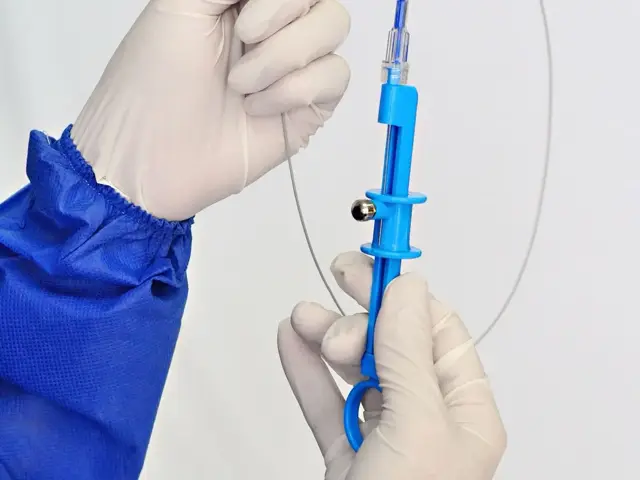
ClariVein explained in plain English. See how mechanochemical ablation closes a faulty vein, what the procedure feels like, recovery, risks and how it compares.
How deep vein thrombosis is treated: how blood thinners work, how long treatment lasts, side effects, when other procedures are used and when to seek urgent help.
Pelvic congestion syndrome treatment ranges from pain management and lifestyle measures to vein embolisation and surgery. Learn the options, benefits, risks and what to expect.
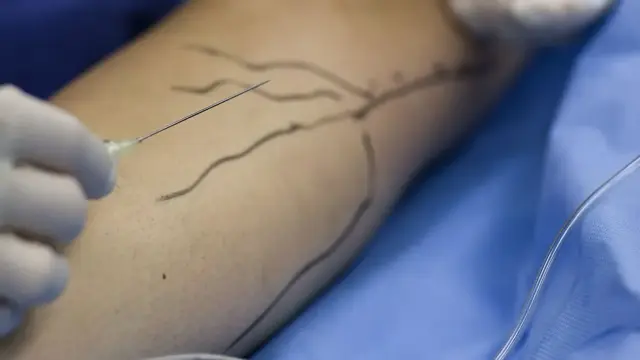
Ambulatory phlebectomy removes bulging surface varicose veins through tiny skin nicks. See how mini phlebectomy works, who it suits, risks and recovery.
Phlebitis treatment usually starts with a warm compress, movement and pain relief, and can include compression socks or blood thinners. Learn what helps and when to see a doctor.
How pulmonary embolism treatment works: blood thinners, clot-dissolving therapy, other procedures, what to expect in hospital, how long treatment lasts and when to get help.
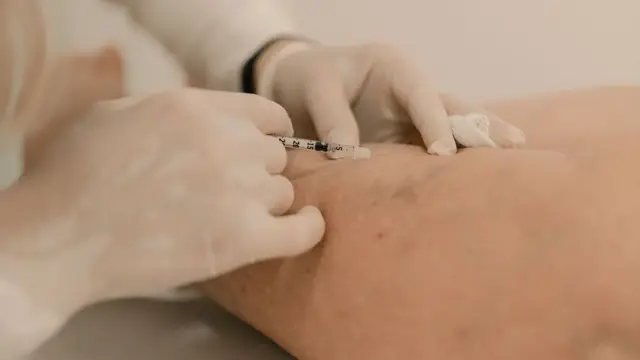
What is sclerotherapy? A plain-English guide to how the injections work, foam sclerotherapy, what to expect before and after, risks, and whether it is safe.
Spider vein treatment compared: injections, laser, microneedle and other methods, what works, what to expect, risks, and how to get rid of spider veins on legs.
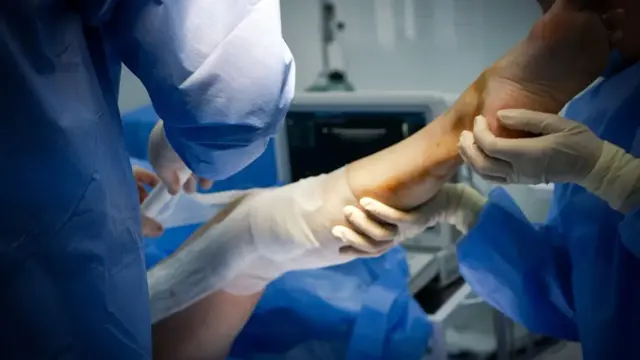
Varicose vein surgery explained: vein stripping, high ligation and phlebectomy, who still needs an operation, recovery, risks and how it differs from modern minimally invasive options.
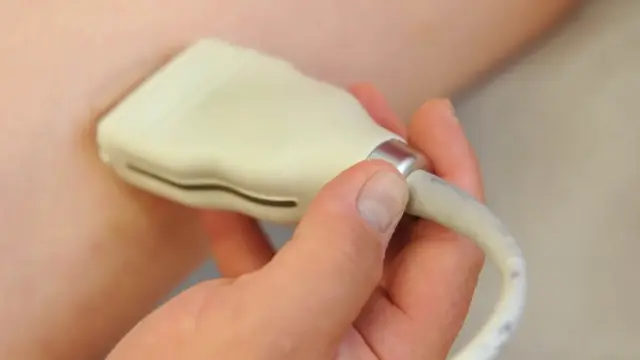
What vein ablation is, how radiofrequency and laser ablation close faulty veins, who it suits, what the procedure involves, and the risks and recovery to expect.
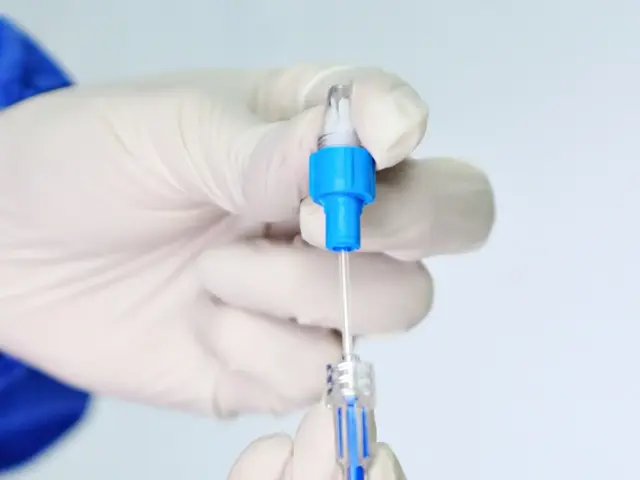
What VenaSeal is, how the medical glue closes a faulty vein, who it suits, what the procedure involves, its side effects and complications, and how it compares with radiofrequency ablation.

A plain-English guide to chronic venous insufficiency treatments, from walking and compression to minimally invasive procedures, and what can and cannot be reversed.
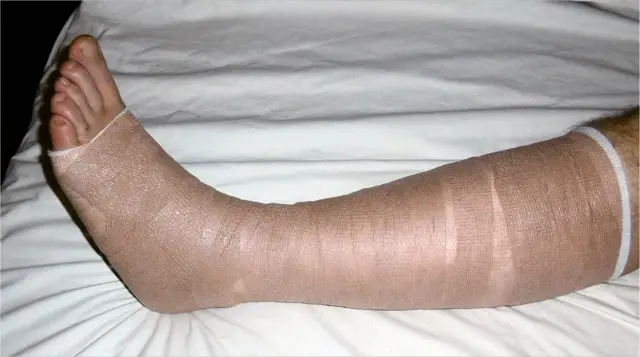
Venous ulcer treatment combines compression, wound care, activity and, where suitable, procedures to close faulty veins. Learn how each part works and what to expect.
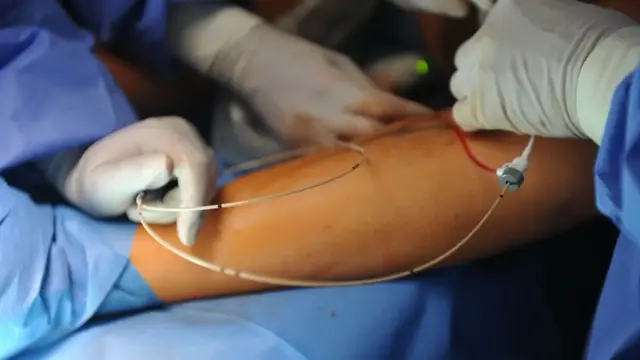
A plain-language, side-by-side comparison of modern varicose vein treatments — how each works, recovery, pros and cons, and who each option tends to suit.
Many people still picture varicose vein treatment as “vein stripping” under general anaesthesia with weeks off work. Today most patients are treated with minimally invasive, needle-puncture procedures done under local anaesthetic in a clinic or day-surgery setting, and many walk out the same day.
Every plan starts with a duplex ultrasound scan. This painless scan shows which veins are leaking, how badly, and their size and shape. The results — together with your symptoms, medical history and preferences — decide which option suits you:
International guidelines, including those of the European Society for Vascular Surgery, recommend endovenous (inside-the-vein) treatments as the first choice for most people with leaking main surface veins.