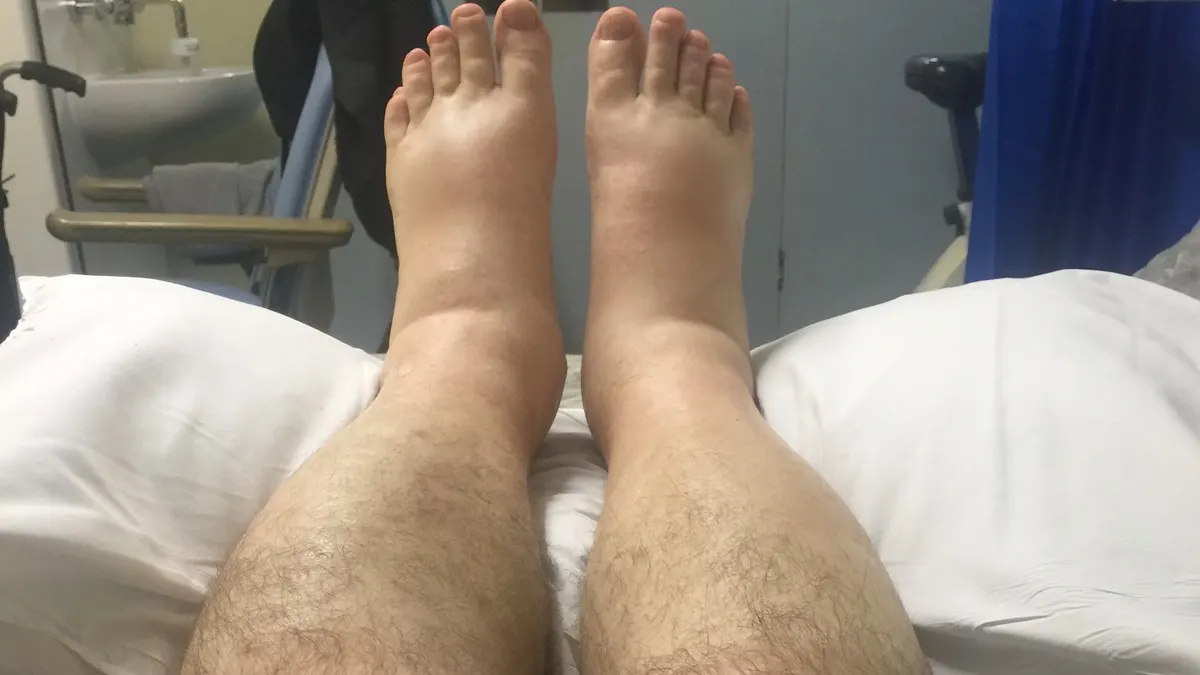
Leg swelling happens when extra fluid collects in the tissues of the leg, ankle or foot. It is very common, and often harmless, but it can also be an early sign of a vein, heart, kidney or liver problem, or a blood clot. This page explains the main causes of swelling in the legs, how to tell the different patterns apart and, importantly, when swelling of the legs is dangerous.
What is leg swelling?
Doctors call swelling caused by trapped fluid oedema (spelled edema in some countries). Your circulation constantly moves fluid in and out of tissues. Swelling appears when more fluid leaks out than the body can drain away. In the legs, gravity makes this more likely, especially if the calf muscles and vein valves, which push blood back to the heart, are not working well.
Swelling might be soft and “pitting”, where pressing a finger leaves a temporary dent, or firmer. It may affect the ankles and feet, or reach the lower leg, knee or thigh. How it looks and where it appears are clues to the cause.
Leg swelling causes
There are many leg swelling causes. They fall into a few groups.
Everyday and temporary causes
- Standing or sitting for long periods, including long journeys.
- Hot, humid weather.
- Pregnancy, especially in later months.
- Salty meals.
- Some medicines, including certain blood pressure, hormone and anti-inflammatory medicines. Do not stop any prescribed medicine without asking your doctor.
- An injury such as a sprain or insect bite.
Vein-related causes
The veins in the legs have one-way valves. If these fail, blood flows backwards and pools, raising pressure and pushing fluid into the tissues. This is called chronic venous insufficiency. It often shows as swelling that worsens through the day and eases overnight, sometimes with aching, heaviness, itching, skin darkening or varicose veins. If the problem is not treated, skin changes and ulcers can develop. The stages of varicose veins show how this can progress.
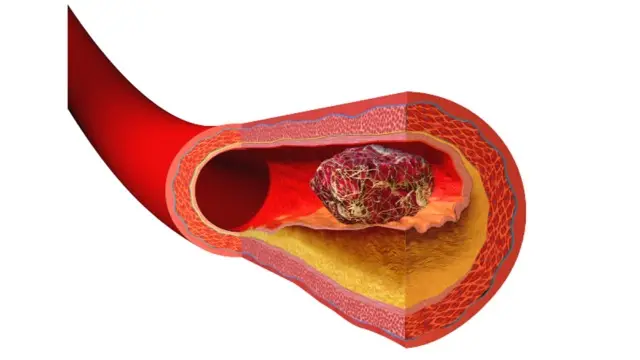
A blood clot in a deep vein (DVT) is another vein-related cause. It usually affects one leg, as explained below.
Other medical causes
- Heart problems, where a weak pump allows fluid to back up, often affecting both legs and sometimes causing breathlessness.
- Kidney disease, where the body retains salt and water.
- Liver disease, which can reduce proteins that hold fluid in the blood vessels.
- Thyroid problems and low blood protein levels.
- Lymphoedema, in which lymph drainage is impaired, sometimes after surgery, infection or cancer treatment.
- Infection of the skin (cellulitis), which causes a red, hot, tender swelling.
One leg or both legs?
This is the most useful question to ask.
- Both legs swollen usually points to a general cause such as long standing, medicines, heart, kidney or liver issues, or venous insufficiency in both legs.
- One leg swollen is more likely to be local: an injury, infection, lymph blockage or a clot. Sudden one-sided swelling, especially with pain, should be checked quickly. Read more in our page on swelling in one leg.
Lower leg swelling and the ankles
Lower leg swelling that centres on the ankles is covered in more detail in our guide to how to reduce leg and ankle swelling. This page explains the home steps, such as elevation and movement, that help mild swelling.
Is swelling of the legs dangerous?
Most mild swelling is not dangerous, but certain features raise concern. Take swelling seriously if it:
- starts suddenly, or changes quickly;
- is in one leg only;
- is painful, red, hot or tender;
- comes with breathlessness, chest pain or a fast heartbeat;
- is accompanied by fever;
- is getting steadily worse over days or weeks;
- comes with skin breakdown, weeping or a sore that will not heal;
- happens during pregnancy together with headache, vision changes or high blood pressure.
A deep vein clot can cause swelling and also lead to a lung clot, called a pulmonary embolism. That complication is why sudden swelling in a single leg should not be left to settle.
How leg swelling is investigated
Your doctor will ask when the swelling began, which leg is affected, whether it changes through the day, and about medicines, recent travel, surgery and illnesses. They will examine your legs and may check your heart, lungs and blood pressure. Depending on the picture, tests may include blood and urine tests, a heart assessment or a duplex ultrasound of the leg veins, which shows both clots and valve leaks. NICE and ESVS guidance recommends duplex ultrasound to assess suspected vein disease.
Treatment depends on the cause
There is no single treatment for swelling, because it depends on what is behind it.
- For venous insufficiency, options include compression, lifestyle measures and, where suitable, procedures to close faulty veins. See venous insufficiency treatment and varicose vein treatments compared.
- For a clot, treatment is with blood-thinning medicines prescribed by a doctor.
- For heart, kidney or liver conditions, treating the main disease is the priority.
- For medicine-related swelling, your doctor may adjust treatment.
Do not use water tablets unless prescribed. Mild swelling can be eased with the measures in our swelling guide, and with the support of compression stockings where a doctor agrees.
Common patterns and what they suggest
Doctors listen closely to the pattern of swelling, because it narrows down the causes.
- Worse by evening, better in the morning: classic for gravity-related fluid, long standing and vein valve problems.
- Present on waking, including puffy eyes: can point to kidney or other general causes.
- Swelling with breathlessness on lying flat or climbing stairs: can suggest a heart cause and should be assessed.
- Swelling that leaves a lasting dent when pressed: is typical of pitting oedema, which is common with fluid retention.
- Hard, firm swelling that does not dent and affects the toes: may point to lymph problems.
- Skin that is brown, shiny, itchy or flaky around swollen ankles: may suggest long-standing venous disease.
Who is more likely to have leg swelling?
Older adults, people who stand or sit for most of the day, people who are overweight, women who are pregnant, people with a family history of vein disease and those with heart, kidney or liver disease are more likely to be affected. People who recently had surgery, were hospitalised or travelled for long hours also have a higher chance of swelling from a clot.
Self-care for mild swelling
While you wait for an appointment, or if your doctor has found a harmless cause, these measures can help: elevate your legs above heart level, move your calves regularly, avoid prolonged standing or sitting, limit very salty foods and wear comfortable footwear. They support, but do not replace, finding the cause.
When to see a doctor
See a doctor if your leg swelling is persistent, recurring, getting worse, affecting one leg, or accompanied by pain, redness, skin changes, ulcers or heaviness that interferes with daily life. Swelling that comes on suddenly in one leg should be assessed the same day.
Call 995 immediately if swelling comes with sudden chest pain, sudden breathlessness or coughing up blood. These can be signs of a clot in the lungs.
If you also have visible veins, you can use our vein check to prepare questions for your appointment.
This page is general education and not a substitute for personal medical advice.
Frequently asked questions
Is swelling of the legs dangerous?
Not always. Mild swelling after a long day is common. It becomes more worrying when it is sudden, painful, affects only one leg, keeps getting worse, or comes with breathlessness, chest pain or skin changes.
What causes swelling in both legs?
Common causes include long periods of standing or sitting, hot weather, pregnancy, certain medicines, vein valve problems, and heart, kidney, liver or thyroid conditions. A doctor can work out the cause.
What causes lower leg swelling that is worse at night?
Swelling that builds through the day and is worse in the evening is typical of gravity-related fluid and vein problems. Swelling that is present on waking can point to other causes, so mention the pattern to your doctor.
Can varicose veins cause leg swelling?
Yes. When vein valves leak, blood pools in the legs and fluid can seep into the tissues, causing swelling, especially around the ankles and lower leg.
How is leg swelling diagnosed?
A doctor will ask about your symptoms and medicines and examine your legs. Depending on the findings, they may arrange blood and urine tests, heart checks or a leg vein ultrasound.
Sources and further reading
This article is general information, not personal medical advice. Please speak to a doctor about your own symptoms. How we create our content.