Deep vein thrombosis (DVT) is a blood clot that forms in one of the deep veins of the body, most commonly in the leg. Because deep veins carry most of the blood back to the heart, a clot there can cause swelling and pain, and in some cases it can cause a life-threatening problem in the lungs. This page explains what DVT is, what causes it and who is at higher risk. If you think you have a clot right now, skip to when to see a doctor.
What is deep vein thrombosis?
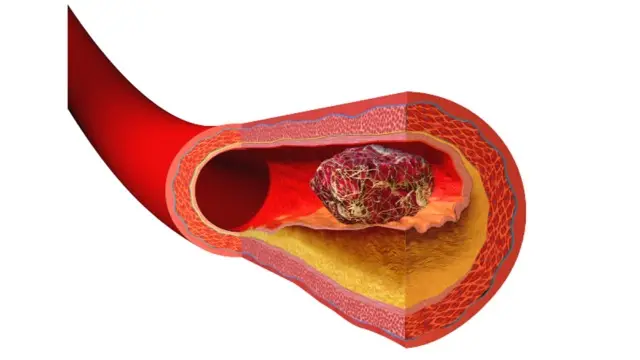
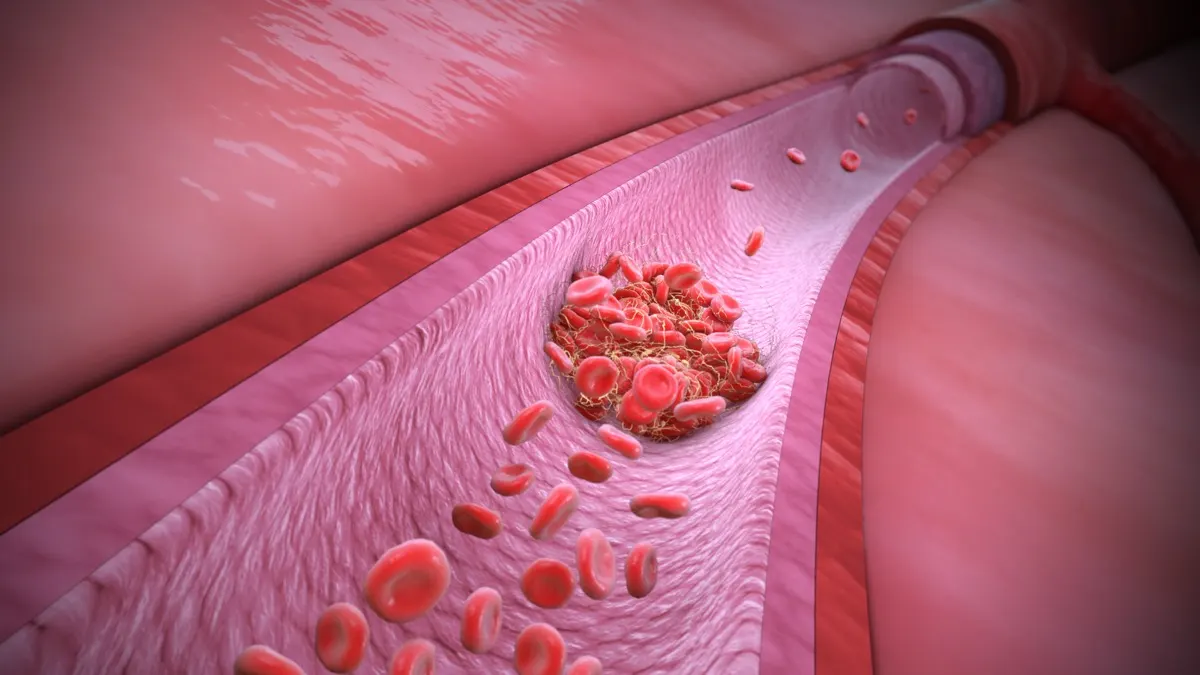
Your leg has two main sets of veins. Surface veins sit just under the skin and are the ones that become varicose veins. Deep veins run through the muscles and carry the bulk of the blood. In DVT, a clot partly or fully blocks a deep vein, usually in the calf, thigh or pelvis.
A clot in the leg causes problems in two ways. First, it blocks the drainage of blood from the leg, causing swelling, pain and discolouration. Second, a piece of clot can break off, travel through the heart and lodge in the lungs. This is called a pulmonary embolism (PE), and it is the main reason DVT is taken so seriously. DVT and PE together are called venous thromboembolism (VTE).
Blood clot in leg: how common is it?
A blood clot in the leg is not rare. NHS and NICE sources describe venous thromboembolism as a common condition that affects many people every year, and it is seen in Asian populations including Singapore. Most clots are linked to a recent trigger, such as an operation, a hospital stay or an injury. Others appear with no obvious cause, which doctors call an “unprovoked” clot.
The signs of a clot are covered in detail on our page about blood clot in leg symptoms. In short, DVT often causes swelling, aching or tenderness in one leg, but around half of people have few or no symptoms.
What causes deep vein thrombosis?
Doctors often explain clotting with three factors, known as Virchow’s triad. Clots tend to form when one or more of these is present:
- Slow blood flow. When the leg muscles are not working, blood pools in the veins. This happens during long bed rest, after surgery, with a leg in a cast or on very long journeys.
- Damage to the vein wall. Injury, surgery, a broken bone or a drip or catheter placed in a vein can irritate the lining and start a clot.
- Blood that clots too easily. Some conditions and medicines raise the blood’s tendency to clot, including cancer, pregnancy and inherited clotting disorders.
What causes blood clots in legs: common risk factors
Understanding what causes blood clots in legs is easier when you look at who tends to be affected. Recognised risk factors include:
- Recent major surgery, especially on the hip, knee or abdomen, or a stay in hospital with reduced movement
- Cancer and some cancer treatments
- Pregnancy and the first six weeks after delivery
- Medicines containing oestrogen, such as some contraceptive pills and hormone therapy
- A previous DVT or PE, or a close relative who has had one
- Age over 60, though clots can happen at any age
- Obesity
- Serious illness such as heart failure or severe infection
- Long periods of sitting, including long-haul flights, particularly when combined with other risks
- Smoking
- Inherited clotting conditions (thrombophilia), which are a less common cause than many people assume
Having a risk factor does not mean you will develop a clot. Most people with one or two risk factors never do. Risk rises when several overlap, for example a long flight soon after surgery.
Causes of deep vein thrombosis (DVT) in people with vein disease
Many people ask whether vein problems cause DVT. Ordinary varicose veins do not usually cause deep clots, but the two can occur together. Clots in surface veins (superficial vein thrombosis) are more common in people with varicose veins and are usually painful, red, hard cords under the skin. Most are less dangerous than deep clots, but some extend toward the deep system, so they are worth having checked. A doctor can tell the difference with an ultrasound scan.
Other vein conditions, such as May-Thurner syndrome, narrow a deep vein in the pelvis and can raise the chance of a clot in the left leg.
Why DVT matters: possible complications
- Pulmonary embolism. The most serious complication. It can cause sudden breathlessness, chest pain and collapse.
- Post-thrombotic syndrome. A significant minority of people develop long-term leg swelling, pain, heaviness and skin changes after a DVT, because the clot damages vein valves.
- Recurrence. Some people develop another clot later, which is why doctors review the cause and the length of treatment carefully.
How DVT is diagnosed
A doctor will ask about your symptoms and risk factors, examine the leg and often use a scoring tool to estimate the likelihood of a clot. A blood test called D-dimer can help rule a clot out in lower-risk patients. The key test is a duplex ultrasound scan, which shows the clot directly. Further imaging may be used when the clot is thought to extend into the pelvis. Treatment is covered in our guide to deep vein thrombosis treatment.
Can DVT be prevented?
You cannot remove every risk, but sensible steps help: staying active after illness or surgery, walking and stretching your calves on long journeys, drinking enough fluid and not smoking. In hospital, staff assess clot risk and may give preventive medicine, compression or leg pumps. If you have had a clot before or are pregnant, ask your doctor about a plan before surgery or travel. For specialist information on how clots in the leg are assessed and managed, you can read this resource on deep vein thrombosis.
When to see a doctor
Call 995 immediately if you have sudden chest pain, sudden shortness of breath, a racing heartbeat, feeling faint or coughing up blood. These can be signs of a pulmonary embolism and need emergency care. Do not drive yourself.
See a doctor the same day if you have a swollen, painful, warm or discoloured leg, especially if it is only one leg, if the swelling came on over hours or days, or if you have recently had surgery, an injury, a long trip, or have cancer or are pregnant. Go to an emergency department if you cannot get seen promptly. A quick scan can confirm or rule out a clot, and treatment started early lowers the risk of complications.
If you have long-standing leg aches or visible veins without sudden changes, our vein symptom check can help you decide on next steps, and the find a vein specialist page explains who to see. Terms used here are explained in the glossary.
This page is educational and does not replace personal medical advice.
Frequently asked questions
Is deep vein thrombosis the same as a varicose vein?
No. Varicose veins are enlarged surface veins caused by faulty valves. DVT is a clot in a deep vein. They are different conditions, although some people with varicose veins can also develop a clot in a surface vein, which is usually less dangerous than a deep clot.
Can a blood clot in the leg go away on its own?
Some small clots below the knee may dissolve without causing problems, but you cannot tell this yourself. Because a clot can spread or travel to the lungs, a suspected DVT needs a prompt medical assessment rather than a wait-and-see approach.
Who is most at risk of DVT?
People recently in hospital or having surgery, those who have been immobile for long periods, people with cancer or a previous clot, pregnant women and those in the weeks after birth, and people taking oestrogen-containing medicines. Age, obesity and a family history of clots also raise risk.
Can DVT be life-threatening?
Yes, if a piece of clot travels to the lungs (pulmonary embolism). This is why chest pain, sudden breathlessness or coughing up blood should be treated as a 995 emergency.
Sources and further reading
This article is general information, not personal medical advice. Please speak to a doctor about your own symptoms. How we create our content.