What is chronic venous insufficiency?
Chronic venous insufficiency (CVI) is a long-term condition in which the veins in your legs struggle to send blood back up to your heart. Instead of flowing smoothly upwards, some blood leaks backwards and pools in the lower leg. That raises the pressure inside the veins and, over time, affects the surrounding tissue.
If you have searched for “what is venous insufficiency”, the short answer is this: it is a plumbing problem in the legs. It is common, it usually develops slowly, and it can be managed. Doctors group it under the wider heading of chronic venous disease, which also includes varicose veins and spider veins.
How healthy leg veins work
Your leg veins work against gravity. Two things keep blood moving up:
- The calf muscle pump. Each step squeezes the deep veins in your calf and pushes blood upwards.
- One-way valves. Small flaps inside the veins close after each squeeze so blood cannot drop back down.
In venous insufficiency, some of these valves weaken or fail. Blood then flows backwards, a process called venous reflux. People sometimes describe this as leaky veins in the legs, and that picture is not far off.
What causes venous insufficiency?
Several factors can damage valves or weaken vein walls:
- Family history. Inherited weaker vein walls and valves are among the strongest risk factors.
- Age. Vein tissue gradually loses elasticity.
- Pregnancy and hormones. Pregnancy increases blood volume and relaxes vein walls.
- A previous deep vein thrombosis. A clot can scar and damage valves, sometimes called post-thrombotic syndrome.
- Excess weight. Extra weight raises pressure in the leg veins.
- Long periods standing or sitting. Common in nurses, retail and food-service workers, teachers, drivers and office workers.
- Leg injury or surgery. Occasionally these damage veins.
Many people have more than one of these factors. Often there is no single cause.
Chronic venous insufficiency symptoms
Symptoms vary a great deal. Some people have obvious veins and few symptoms, while others have troublesome legs with little to see. Common venous insufficiency symptoms in the legs include:
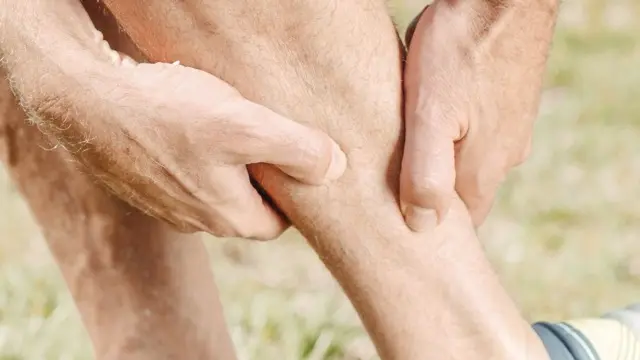
- Aching, heaviness or tiredness, especially at the end of the day
- Swelling around the ankles and feet
- Itching, burning or tingling
- Night cramps or restless legs
- Visible varicose or spider veins
- Symptoms that are worse after standing or sitting for long and better after walking or raising the legs
In Singapore’s heat and humidity, symptoms can feel worse because warmth makes veins widen.
Early stages of venous insufficiency
Doctors use the CEAP classification to describe how far chronic venous disease has progressed:
| Stage | What you may notice |
|---|---|
| C0 | Symptoms such as heavy legs, but no visible signs |
| C1 | Spider veins or fine reticular veins |
| C2 | Varicose veins |
| C3 | Ankle or leg swelling |
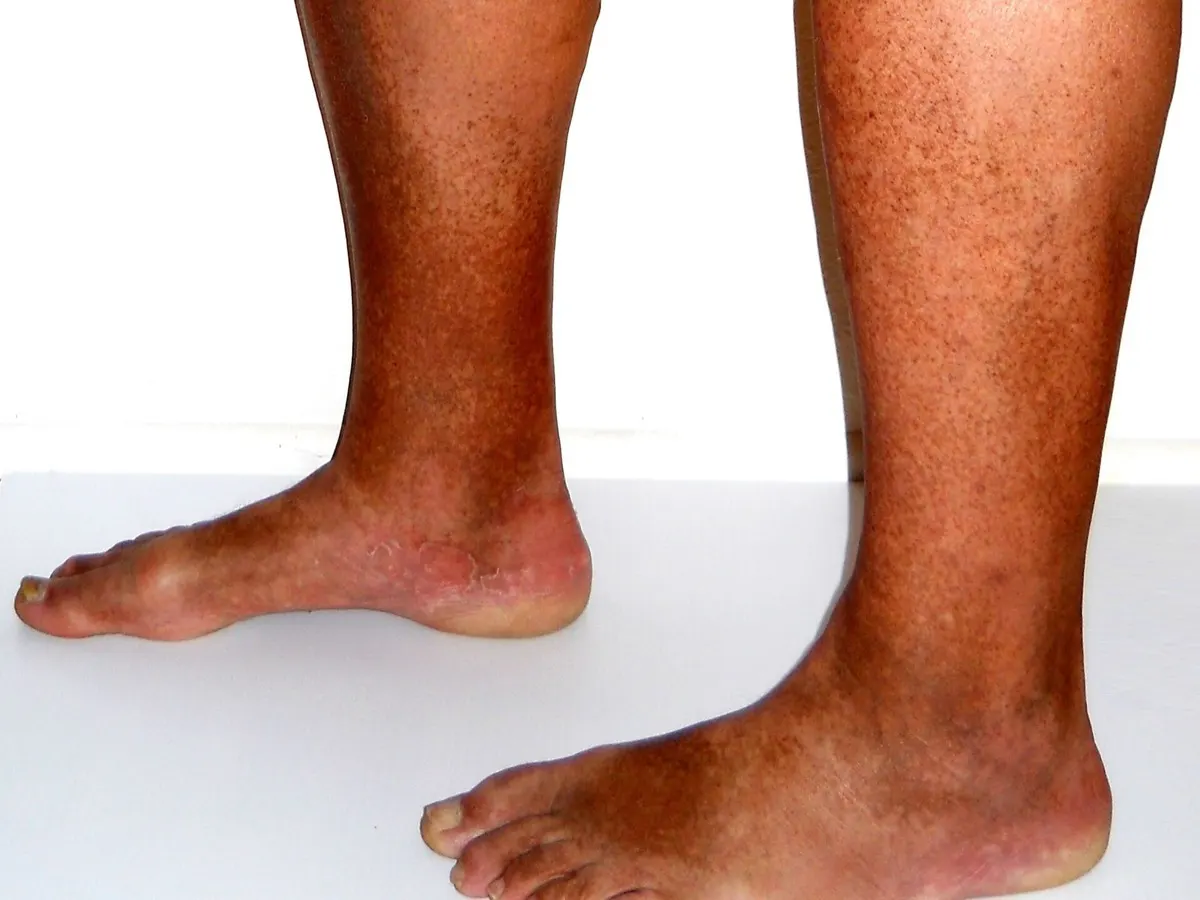
| C4 | Skin changes: brown discolouration, eczema, hardened skin |
| C5 | Healed venous ulcer |
| C6 | Active venous ulcer |
The early stages of venous insufficiency (C0 to C3) are the best time to act. Not everyone moves through every stage, and progression is usually slow. But skin changes at the ankle are a sign that pressure in the veins has been high for some time and deserve a proper check.
How is it diagnosed?
A doctor will ask about your symptoms, family history and past clots, and examine your legs while you stand. The key test is a duplex ultrasound scan. It is painless and uses no radiation. It shows:
- Which veins are leaking, and where the reflux starts
- The size of each vein
- Whether the deep veins are open and free of clots
The scan guides every decision that follows, including whether treatment is needed at all. NICE guidance (CG168) recommends duplex ultrasound for people with suspected varicose veins before any treatment is planned.
What happens if it is left alone?
For many people, CVI stays mild for years. In others, sustained high pressure gradually damages the skin near the ankle, leading to darkening, eczema, hardening and sometimes ulcers. We cover this in more detail in our guide on whether chronic venous insufficiency is dangerous.
Managing and treating CVI
Treatment depends on your symptoms and scan results. Options range from walking, leg elevation and weight management, through compression stockings, to minimally invasive procedures that close the leaking veins. Our guide to venous insufficiency treatment explains how these fit together, and varicose vein treatments compared sets the procedures side by side.
Because varicose veins are one visible sign of reflux, you may also like our overview of varicose veins. If you want a specialist assessment, you can read more about chronic venous insufficiency care in Singapore.
Living with chronic venous insufficiency
Day-to-day habits make a real difference to how your legs feel:
- Keep moving. Aim for regular walks, and break up long spells of sitting or standing with ankle pumps and calf raises.
- Raise your legs above hip level for 15 to 20 minutes when they feel heavy or swollen.
- Cool down. A cool shower and loose clothing can help in Singapore’s heat, since warmth makes veins widen.
- Protect your skin. Moisturise dry skin, avoid scratching and treat small cuts promptly, because skin near the ankle heals slowly.
- Watch your weight. Even modest weight loss lowers pressure in the leg veins.
These steps will not repair valves, but they make symptoms easier to live with and can slow progression. Check any exercise plan with your doctor if you have other medical conditions.
When to see a doctor
Book an assessment if:
- Your legs ache, swell or feel heavy most days
- The skin near your ankle is turning brown, itchy, dry or hard
- You have a sore on the lower leg that is slow to heal
- A vein has bled
- Your symptoms are affecting sleep, work or exercise
Not sure? Try the two-minute vein symptom check, or see how to find a vein specialist.
When it’s an emergency: sudden pain, swelling, warmth or redness in one leg can be a deep vein thrombosis. If it comes with breathlessness, chest pain or coughing up blood, call 995 or go to the nearest emergency department straight away.
This article is general education and does not replace advice from your own doctor. See our glossary for terms used here.
Frequently asked questions
What is the difference between venous insufficiency and chronic venous insufficiency?
In everyday use the two terms mean the same thing. "Chronic" simply stresses that the problem is long-term rather than a short-lived episode. Doctors also use the wider term chronic venous disease, which covers everything from spider veins to leg ulcers.
What are the early stages of venous insufficiency?
Early stages can be as subtle as tired, heavy legs at the end of the day, mild ankle puffiness, or visible spider or varicose veins. Many people have these for years before skin changes appear. Noticing them early lets you start simple measures sooner.
Can venous insufficiency go away on its own?
Damaged valves do not repair themselves, so the underlying problem does not disappear. Walking, leg elevation, weight management and compression can control symptoms, and procedures can treat the leaking veins if needed.
Is venous insufficiency the same as a blood clot?
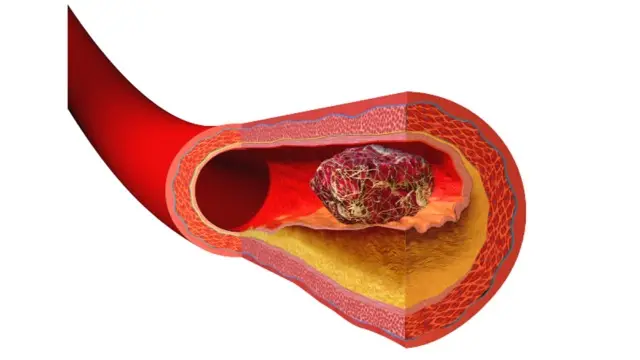
No. Venous insufficiency is a valve and flow problem. A deep vein thrombosis is a clot in a deep vein and needs urgent care. A past clot can, however, damage valves and lead to venous insufficiency later.
Sources and further reading
This article is general information, not personal medical advice. Please speak to a doctor about your own symptoms. How we create our content.