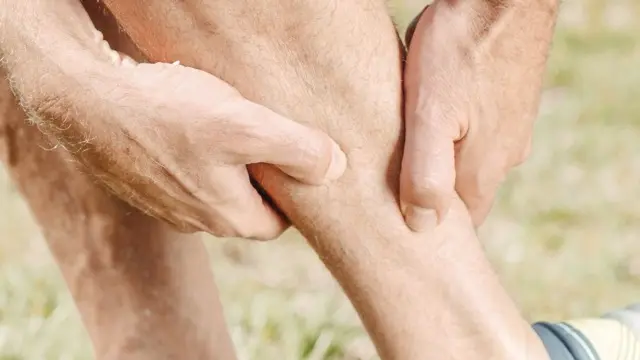
Pain in the leg is one of the most common symptoms people look up, and the leg pain causes range from a simple pulled muscle to a blood clot that needs urgent treatment. This page maps the main groups of causes, shows how they tend to differ and explains which warning signs matter. It is educational and cannot diagnose you. Only an examination, and sometimes tests, can tell you what is behind your pain.
Emergency signs. Call 995 if a leg suddenly turns cold, pale, blue or numb, or if leg pain comes with chest pain, breathlessness, coughing up blood or fainting. Get care the same day for one leg that is suddenly swollen, painful and warm, for red skin that is spreading with fever, or after an injury if you cannot bear weight.
The main groups of leg pain causes
Doctors think in groups. Knowing the group helps you describe your pain and choose how quickly to seek help.
| Group | Typical feel | Clues |
|---|---|---|
| Veins | Aching, heavy, throbbing, burning | Worse later in the day, better raised, visible veins, ankle swelling |
| Arteries | Cramping calf or thigh pain when walking, relieved by rest | Cold feet, hair loss, slow healing sores, risk factors |
| Muscles | Sore, tight, sudden spasm | After exercise or a long day, tender to touch |
| Nerves | Burning, tingling, shooting, numbness | Starts in back or hip, may follow a line down the leg |
| Joints and bones | Deep ache, stiffness, pain with movement | Worse with weight bearing, joint swelling, injury |
| Blood clot | Calf pain, swelling, warmth | Usually one leg, sudden, may be red or tender |
Vein-related pain
Leg veins have one-way valves that push blood back up toward the heart. If the valves weaken, blood pools and pressure builds, causing aching, heaviness, throbbing, itching and swelling. This is common in people who stand or sit a lot, have a family history, are pregnant or are older. Heat and humidity can make symptoms worse. Read more about vein pain in the leg, varicose veins and chronic venous insufficiency. Long-term vein disease can cause skin changes and, in some people, ulcers, as described in venous leg ulcer.
Blood clots in the leg
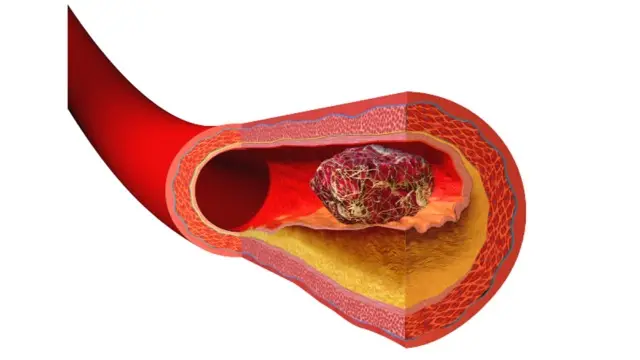
A clot in a deep leg vein (deep vein thrombosis, DVT) typically causes pain, swelling, warmth and sometimes redness in one leg, usually the calf or thigh. It is serious because part of a clot can travel to the lungs. Risk goes up after surgery, long travel, immobility, cancer, pregnancy and some medicines. If you suspect a clot, do not wait. Read deep vein thrombosis and blood clot in leg symptoms. A clot in a vein near the skin surface (see phlebitis) causes a tender, red, hard cord, and also needs assessment.
Artery-related pain
Narrowed leg arteries (peripheral arterial disease) reduce blood flow. The classic symptom is calf, thigh or buttock pain that comes on with walking and settles after a few minutes of rest. In more advanced disease there can be pain at rest, cold or colour-changed feet and sores that do not heal. Smoking, diabetes, high blood pressure, high cholesterol and older age raise the risk. A sudden cold, pale, numb or very painful leg means the blood supply may have been cut off. That is an emergency. Call 995. For the difference with venous problems, see leg pain when walking.
Muscle and tendon causes
Strains, overuse, cramps and shin splints are common, especially after sport or unaccustomed activity. They are usually sore and tender in one area and ease with rest. Sudden night-time spasms are discussed in leg cramps at night. Pain in the front of the lower leg after running is often muscular or related to the shin bone. A sharp pain in the back of the calf during sport followed by difficulty pushing off can be a calf or Achilles tendon injury and should be checked.
Nerve causes
Nerves can be irritated or compressed at the lower back, hip or knee, or damaged by conditions such as diabetes. Pain is often burning, shooting or electric, with tingling or numbness, and may travel in a line from the back to the foot (sciatica). Weakness, a dragging foot or numbness in the groin area or trouble passing urine or stool alongside back and leg pain needs urgent medical attention.
Joints, bones and other causes
Arthritis in the hip or knee can cause pain felt in the thigh or lower leg. Fractures, stress fractures and infections of the skin or bone cause pain with swelling, warmth and tenderness. In children and teenagers, growing pains are a common cause of night-time leg ache.
Lower leg pain, pain below the knee and left leg pain
People often search by location, but location alone is a poor guide. Lower leg pain and leg pain below knee commonly come from the calf muscles, shin, veins or a clot. Left leg pain and right leg pain have the same range of causes. What matters more is whether the pain is one-sided, swollen, warm, sudden or linked to walking. Pain in both legs that builds over the day more often suggests veins, nerves or general fatigue.
Leg pain treatment and how to reduce leg pain
Treatment depends entirely on the cause, which is why self-treating an unexplained, persistent pain is not advisable. General steps that are safe for many everyday causes:
- Rest the painful area, then return gradually to normal activity
- Keep moving gently rather than staying still for long periods
- Raise the legs for 15 to 20 minutes when they ache or feel heavy
- Wear comfortable, supportive shoes; maintain a healthy weight
- Ask a clinician whether compression stockings are suitable, as they are not safe in every situation; see the compression stockings guide
Doctors may arrange a leg vein ultrasound, blood tests, an ankle-brachial pressure check for arterial flow, or imaging of the back or joints, then treat the cause. Medicines, procedures for veins or arteries, physiotherapy or blood thinners for clots are decided by the doctor and are not covered here. You can also use our vein symptom check to see whether your symptoms fit a vein pattern.
When to see a doctor
Call 995 immediately for:
- A suddenly cold, pale, blue or numb leg, or a leg you cannot move
- Leg pain with chest pain, breathlessness, coughing blood or collapse
- Severe injury, deformity or heavy bleeding
Seek care the same day for:
- One leg that is suddenly swollen, painful, warm or red (possible clot)
- Spreading redness, heat or pus with fever (possible infection)
- New weakness, loss of bladder or bowel control, or numbness in the groin with back pain
Make an appointment soon if you are wondering when to worry about leg pain and it is new, lasts more than a couple of weeks, keeps returning, is getting worse, limits walking, or comes with swelling, visible veins, skin colour changes or sores that will not heal. Your GP can examine you and refer you to a vein or vascular specialist; see find a vein specialist. Unfamiliar terms are explained in the glossary.
This page is educational and does not replace personal medical advice.
Frequently asked questions
When should I worry about leg pain?
Worry when pain comes with sudden swelling in one leg, warmth or redness, a cold, pale or numb leg, chest pain, breathlessness, fever, or an injury you cannot put weight on. These need urgent care. Leg pain that is steady, getting worse or lasting more than a couple of weeks also deserves a check.
Why does only my left leg hurt?
Pain in one leg is common and can come from a pulled muscle, a nerve being pinched, a joint problem, a vein or artery problem or a clot. Neither side is automatically more dangerous, but one swollen, painful leg needs a prompt check.
What can cause pain below the knee?
The calf and shin are a common site for muscle strain, cramp, shin splints, vein problems, clots, nerve irritation and circulation problems. Where it hurts, when it hurts and whether it is swollen or warm all help narrow the cause.
How can I reduce leg pain at home?
Depending on the cause, rest, gentle walking, raising the legs, and comfortable shoes can help. Do not massage a swollen, warm calf. If the pain is severe or unexplained, see a doctor instead of treating it yourself.
Can leg pain be caused by veins?
Yes. Weak vein valves can make the legs ache, feel heavy, throb or burn, typically worse later in the day and better when the legs are raised. A vein ultrasound can confirm this.
Sources and further reading
This article is general information, not personal medical advice. Please speak to a doctor about your own symptoms. How we create our content.