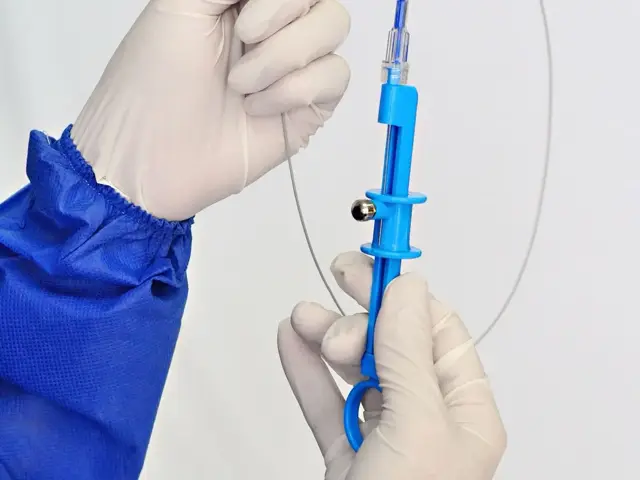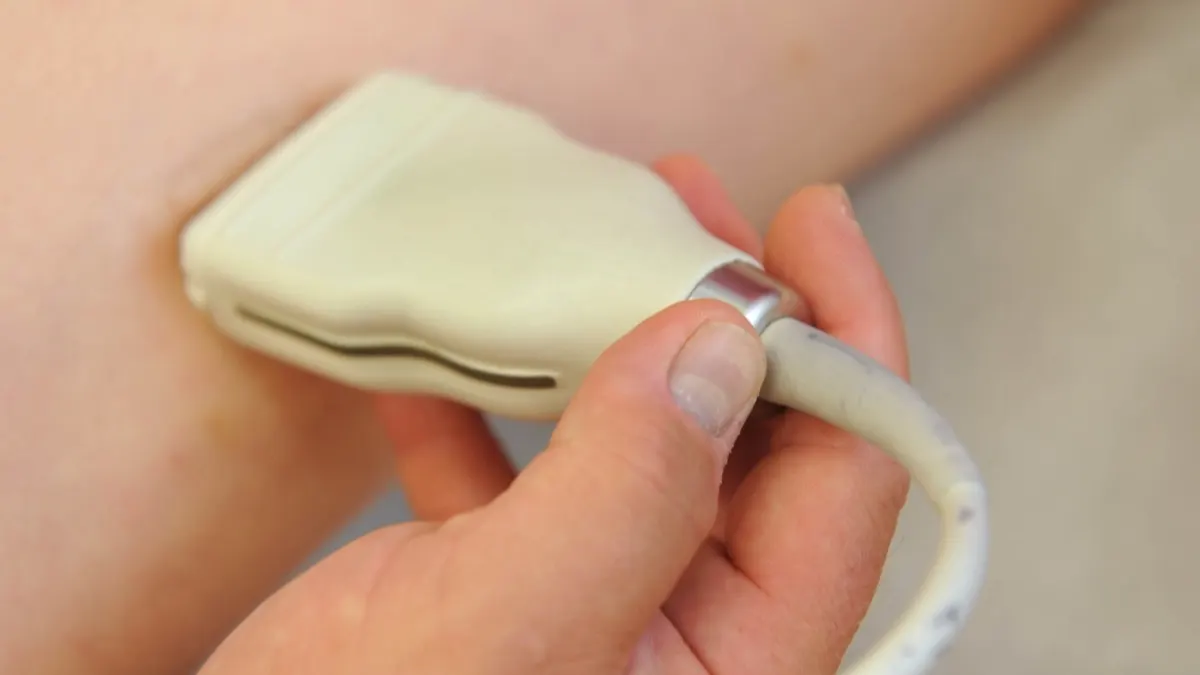
What is vein ablation?
Vein ablation is a procedure that closes a faulty leg vein by heating the inside of the vein wall. If you have been told you have “leaking” veins, this is one of the main ways to treat them. The word ablation simply means removing or destroying tissue, and here the “tissue” is the lining of a vein that is no longer working.
If you are asking what is vein ablation in practical terms, it is a keyhole alternative to the old operation of tying and stripping veins. A thin tube (catheter) is passed into the vein through a tiny puncture, heated, and withdrawn. The vein seals shut, the body absorbs it over the following weeks and months, and blood is carried by healthy veins instead.
Ablation is only one of several options. Our guide to varicose vein treatments compared shows where it fits alongside glue, injections and surgery.
Why a leaking vein needs closing
Healthy leg veins have one-way valves. When the valves in the main surface veins fail, blood flows backwards and pools, which is called venous reflux. This raises pressure in the vein, which creates varicose veins, aching, swelling and, in some people, skin damage. You can read more in our varicose veins overview.
Because the problem starts in the leaking trunk vein, treating only the visible branches often gives a poor result. Closing the trunk takes the pressure off the branches below it.
Saphenous vein ablation
The veins most often treated are the great saphenous vein, which runs along the inner thigh and calf, and the small saphenous vein at the back of the calf. Saphenous vein ablation is the term used when the catheter is placed in one of these trunks.
A duplex ultrasound scan beforehand maps the vein, confirms the reflux and checks that the deep veins are healthy. Treatment is only considered when a scan shows reflux that matches your symptoms.
Two heat methods: radiofrequency and laser
Both methods follow the same principle and are described together in guidelines as endovenous thermal ablation.
Radiofrequency ablation varicose veins (RFA)
Radiofrequency ablation for varicose veins uses a catheter that heats the vein wall with radiofrequency energy, typically in short controlled segments. You may see it called RF ablation for veins in clinic leaflets. The vein wall shrinks and seals as the segment is treated.
Varicose veins endovenous laser ablation (EVLA)
Varicose veins endovenous laser ablation uses a laser fibre instead. Patients often ask about varicose veins and laser treatment generally. Laser here means a fibre inside the vein, not a light shone on the skin. The laser light heats the vein wall and seals it. Laser on the skin surface is a different treatment and mainly used for tiny spider veins.
Which is better?
Trials comparing the two show closure rates that are similar and high. Some studies report slightly less bruising and discomfort with radiofrequency, while laser is well established and widely available. Guidelines do not rank one clearly above the other, so the choice usually rests on the vein’s shape, the equipment available and your specialist’s experience.
The vein ablation procedure, step by step
The vein ablation procedure is usually done in a clinic or day-surgery room:
- Marking and positioning. Your leg is marked using ultrasound while you stand or lie down.
- Local anaesthetic. The skin at the puncture site is numbed.
- Catheter placement. Under ultrasound guidance, a needle and then the catheter are placed into the vein, often near the knee or calf.
- Tumescent anaesthesia. Dilute anaesthetic fluid is injected around the vein. This numbs the area, squeezes the vein around the catheter and protects the surrounding skin and nerves from heat.
- Energy delivery. The catheter is heated and slowly withdrawn, sealing the vein as it goes.
- Compression. A bandage or stocking is applied and you walk soon afterwards.
The treatment itself often takes under an hour, though your total time in the clinic will be longer.
This is sometimes called ablation surgery vein treatment, but there is no cutting or stitching involved. It is a procedure rather than an operation under general anaesthetic.
Is vein ablation right for you?
Ablation is generally suitable if you have symptoms or complications and a scan shows a leaking saphenous vein that is straight enough and a suitable size for a catheter. NICE CG168 advises offering endothermal ablation to people with confirmed trunk reflux, with other options if it is not suitable. ESVS 2022 gives the same preference for thermal ablation over open surgery.
It may be less suitable if:
- The vein is very twisted or very small
- You have had a recent blood clot in the leg or an unresolved clotting problem
- You are pregnant
- You cannot walk or cannot wear compression afterwards
Those with no symptoms and only cosmetic concerns might be offered other options. In Singapore, documented reflux and symptoms are generally needed for MediSave and insurance claims, as explained in our cost guide.
Risks and side effects
Most effects are mild and short-lived:
- Bruising, tightness or a pulling feeling along the treated vein
- Tenderness or a firm cord under the skin
- Mild skin discolouration, which usually fades
Less common risks include:
- Numbness or tingling from irritation of a nearby nerve
- Skin burns (rare with tumescent anaesthesia)
- Superficial phlebitis, which is a sore, red area along a vein
- Deep vein thrombosis or a clot extending toward the deep veins (uncommon)
- The vein not closing fully, which needs a follow-up scan
Your specialist should explain these before you consent. For what is normal and what is not afterwards, see recovery after varicose vein treatment.
Recovery in brief
Walking is usually encouraged straight away, and many people return to desk work within a few days, though this varies. You will usually wear a compression stocking for a period your specialist advises, avoid heavy lifting or strenuous exercise for a short time, and have a follow-up scan to check the vein has closed.
For a clear question-and-answer on the technique, this radiofrequency ablation FAQ is a good extra read.
When to see a doctor
See a doctor about your veins if you have aching, heaviness or swelling most days, skin changes around the ankle, a vein that has bled, or a leg sore that is not healing.
After a procedure, contact your treating team if you notice increasing pain, spreading redness, fever, or numbness that does not settle.
Call 995 or go to the nearest emergency department if you have sudden breathlessness, chest pain, coughing up blood, or sudden swelling, pain and warmth in one leg. These can be signs of a blood clot.
If you are unsure where to start, find a vein specialist explains who treats vein disease, or try the vein symptom check. Unfamiliar words are explained in the glossary.
This article is general information, not personal medical advice.
Frequently asked questions
What is vein ablation?
Vein ablation is a minimally invasive procedure that closes a leaking vein using heat delivered by a thin catheter. Once closed, blood is rerouted through healthier veins and the faulty vein shrinks over time.
Is vein ablation painful?
The skin is numbed with local anaesthetic, and extra anaesthetic fluid is placed around the vein to protect nearby tissue. Most people feel pressure and a warm sensation rather than sharp pain. Soreness and tightness along the treated vein are common for a few days afterwards.
Is radiofrequency or laser ablation better?
Studies show both close the vein in a similar proportion of people, and guidelines treat them as equivalent thermal options. Some studies suggest less bruising and discomfort with radiofrequency. The best choice depends on your vein anatomy and your specialist's experience.
Does vein ablation remove the vein?
No. The vein is sealed and the body gradually absorbs it. Nothing is cut out, so there is no large wound.
Can varicose veins come back after ablation?
The treated vein rarely reopens, but new varicose veins can form from other veins over time, particularly if the underlying tendency (family history, hormones, long hours standing) is still there. Follow-up scans help detect this early.
Sources and further reading
This article is general information, not personal medical advice. Please speak to a doctor about your own symptoms. How we create our content.