What people worry about
Many women, and some men, wonder if their wardrobe is to blame for the veins on their legs. Heels for work, skinny jeans for the weekend, shapewear under a dress, a pillow under the knees at night: which of these matter? If you are asking “do high heels cause varicose veins”, the short answer is that the evidence says no, but there are some details worth knowing.
This page is part of our look at varicose vein myths. It is fairly typical of the topic: confident claims are common, solid research is thin, and the real risk factors lie elsewhere.
What really raises the risk
Varicose veins form when the small one-way valves inside the leg veins stop closing properly, so blood leaks backwards and pools. The factors with the best evidence include:
- family history (see are varicose veins genetic)
- increasing age
- being female, partly because of hormones
- pregnancy
- being overweight
- long periods of standing or sitting without moving
- previous leg injury or a past blood clot
Clothing and footwear do not appear on that list. Our overview of varicose veins goes through them in more detail.
Do high heels cause varicose veins?
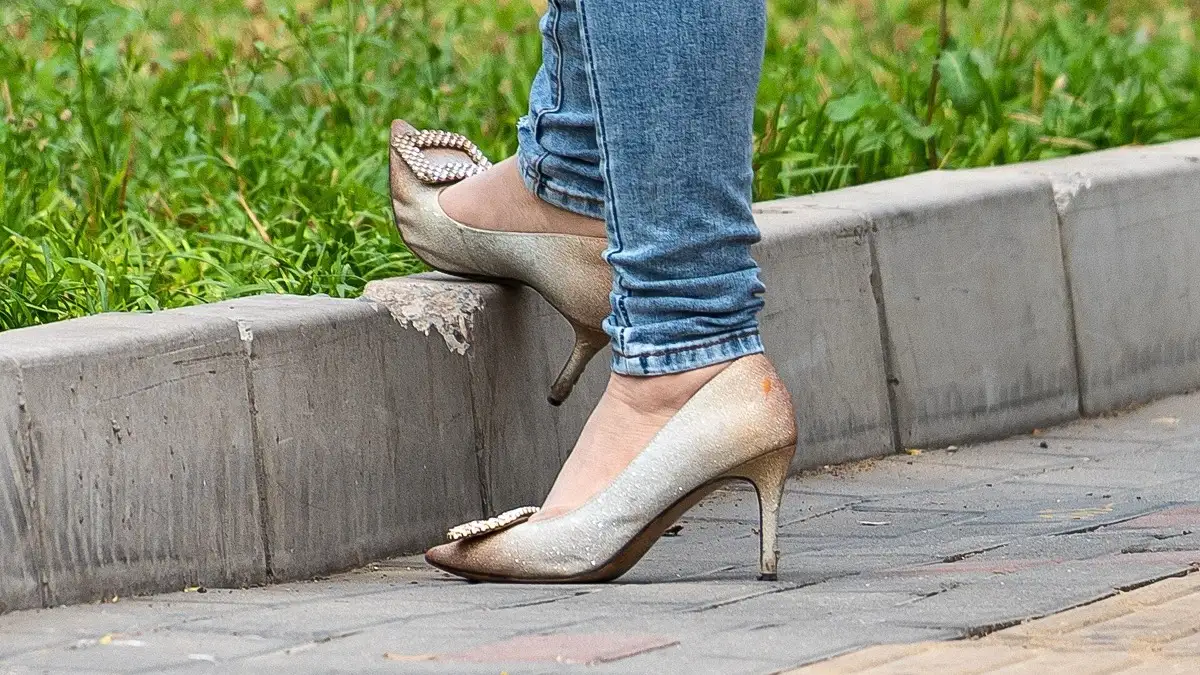
The idea is understandable. In heels, the ankle is held pointed down, which limits how far the calf muscle can stretch and contract. Because the calf muscle acts as a pump for leg veins, some people reason that heels weaken that pump and cause veins to bulge.
That is plausible in theory, but it has not been shown in good studies to cause varicose veins. What can be said is:
- Heels can change how your calf muscle works and leave legs tired, especially after hours standing in them.
- Standing for long periods in any shoes, heeled or flat, is more relevant than the heel height itself.
- Very high or unstable heels bring other risks, such as ankle sprains, foot pain and back strain.
- If you already have varicose veins, comfortable, supportive shoes you can walk in are a sensible choice.
In a city where many women wear heels to the office and walk long distances between MRT, mall and meeting, the practical advice is simple: alternate shoe heights, carry a comfortable pair for commuting, and walk or flex your ankles regularly. You do not need to feel guilty about heels.
Skinny jeans and tight clothes
Skinny jeans, tight leggings and fitted trousers attract the same suspicion. The theory is that tight fabric compresses veins near the groin or knee and slows blood flow. Research has not confirmed this as a cause of varicose veins. In practice:
- Tight clothing can be uncomfortable in Singapore’s heat, and sweat and friction can irritate skin that is already itchy over veins.
- A very tight waistband or thigh band that leaves deep marks is best avoided if your legs are swollen.
- Breathable cotton blends and looser cuts are kinder to legs on hot days.
Sitting or standing still all day matters more than the cut of your trousers. See standing, sitting and flying with varicose veins.
Shapewear and compression garments
Shapewear is not known to cause varicose veins. Very restrictive pieces that squeeze the upper thighs or waist for long periods might hold back blood flow from the legs, so it is wise not to wear them for many hours at a time, especially in heat.
Do not confuse shapewear with medical compression stockings. Compression stockings are made to be firmest at the ankle and gradually lighter up the leg, which helps blood move upward. Shapewear has no such design. If you want to wear compression for symptoms, see our compression stockings guide.
Elevating your legs
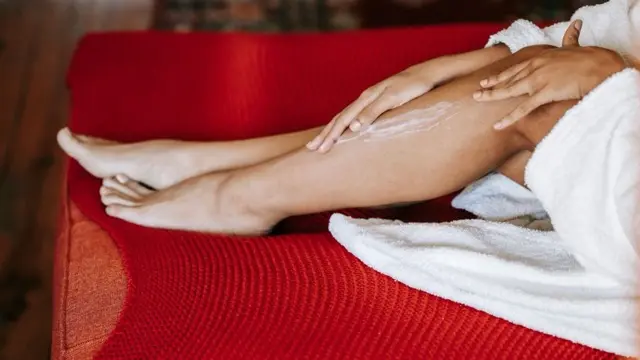
Elevating legs is one of the few simple measures with sensible logic behind it. Raising your feet above hip level lets gravity help blood and fluid drain from the lower legs, which often eases aching and swelling.
- Lie on your back and rest your feet on cushions so they are higher than your hips.
- Aim for 15 to 20 minutes, a few times a day if you can.
- Combine it with ankle pumps.
It brings comfort rather than a cure. It does not remove varicose veins or fix faulty valves. For more on easing swelling, see how to reduce leg and ankle swelling.
Sleeping position
There is no proof that a particular sleeping position causes or prevents varicose veins. Some people feel better with a pillow under the lower legs, while others prefer lying flat. During pregnancy, sleeping on your side is commonly advised, and it may reduce pressure on the large pelvic veins; see varicose veins in pregnancy. Crossing legs while sitting is covered in the main myths page rather than here.
What does help
Because clothes and shoes are not the main drivers, effort is better spent on things that make a difference:
- move your legs often and avoid standing or sitting still for hours
- keep to a healthy weight and stay active
- raise your legs when they feel heavy
- consider compression stockings if advised
- get new or worsening symptoms checked
How to prevent varicose veins puts these into a practical plan.
When to see a doctor
See a doctor if you have aching or heavy legs that do not settle, bulging veins that are painful or growing, itching or skin darkening around the ankles, or a sore that is slow to heal.
Seek urgent medical attention if one leg suddenly becomes swollen, painful, red or warm, as this can be a blood clot (see swelling in one leg). Call 995 or go to an emergency department if you have chest pain, sudden breathlessness or you cough up blood.
The vein check tool can help you work out whether your symptoms deserve a closer look.
This page is general education and not a diagnosis or a substitute for personal medical advice.
Frequently asked questions
Do high heels cause varicose veins?
Current evidence does not show that high heels cause varicose veins. Wearing heels changes how the calf muscle works, and very high or unstable shoes can leave legs tired, but varicose veins are driven mainly by faulty vein valves, family history, age, pregnancy and long periods of standing still. If heels are comfortable and you can still walk in them, there is no proof you need to give them up.
Do skinny jeans cause varicose veins?
There is no reliable evidence that skinny jeans cause varicose veins. Very tight clothing can be uncomfortable, especially in hot weather, and may leave marks or worsen a sense of heaviness if you already have swollen legs. Choosing breathable fabrics and avoiding anything that digs in at the groin, thigh or knee is sensible.
Is shapewear bad for varicose veins?
It has not been shown to cause them. Tight shapewear that squeezes the upper thighs or waist could in theory slow blood flow from the legs, so avoid wearing very restrictive pieces for many hours, especially in the heat. Medical compression stockings are different because they are designed to be firmer at the ankle and looser higher up.
Does elevating your legs help varicose veins?
It often eases heaviness and swelling for a time because gravity helps fluid and blood drain towards the heart. It does not remove existing varicose veins. Lie down and raise your feet above hip level for 15 to 20 minutes, ideally a few times a day.
Does sleeping position matter for varicose veins?
There is no proof that any sleeping position causes or cures varicose veins. Some people like a pillow under their legs to ease evening heaviness. During pregnancy many are advised to sleep on their side, mainly for other reasons, and that may also help circulation.
Sources and further reading
This article is general information, not personal medical advice. Please speak to a doctor about your own symptoms. How we create our content.