First, an honest expectation
Varicose veins are strongly linked to things you can’t change — your family history, your age and, for women, hormones and pregnancy. So no routine can promise you’ll never get them.
What healthy habits can do is reduce pressure in your leg veins, ease aching and swelling, slow the condition down and lower the risk of complications such as skin damage and ulcers. They’re also the foundation of care whether or not you eventually have treatment.
1. Walk more — your calves are your “second heart”
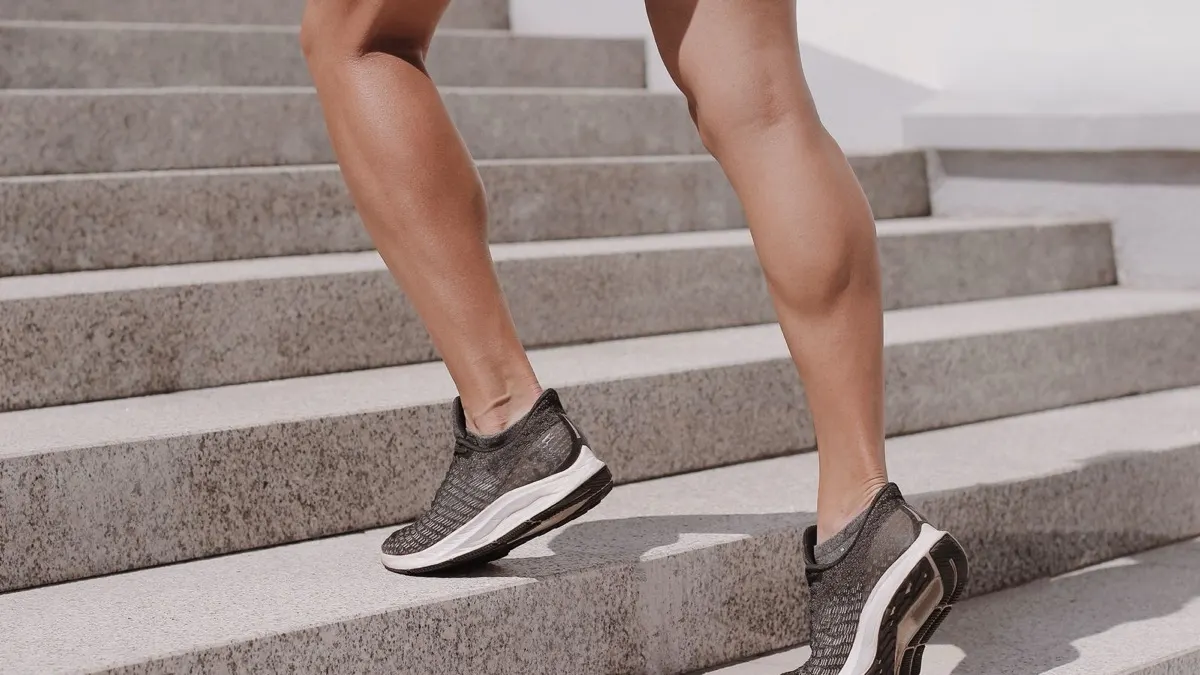
Every time your calf muscles contract, they squeeze the deep veins and push blood back up towards your heart. Walking is the simplest way to keep this calf muscle pump working. Aim for regular brisk walks — even 10-minute walks spread through the day count.
Other good options: cycling, swimming and water aerobics (water pressure supports the legs too), and low-impact gym work.
2. Do calf exercises when you can’t move around
If you are stuck at a desk, on a long drive or on a flight, try these every 30 minutes:
- Ankle pumps: point your toes away, then pull them back towards you. Repeat 10–20 times.
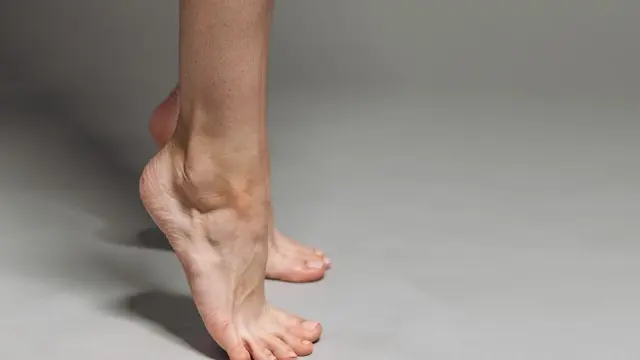
- Heel raises: standing, rise up onto your toes and lower slowly. Repeat 10–15 times.
- Ankle circles: rotate each foot 10 times in each direction.
3. Break up long periods of standing or sitting
Standing still lets blood pool in your lower legs; sitting with your knees bent for hours slows flow too. If your job keeps you on your feet — nursing, retail, F&B, hairdressing, security, teaching — try to:
- Shift your weight and walk a few steps whenever possible
- Take short breaks to sit with your legs raised
- Wear supportive, comfortable footwear rather than high heels for long shifts
Office workers should stand up and walk for a couple of minutes every 30–60 minutes.
4. Raise your legs at the end of the day
Lying down with your legs raised above the level of your heart for 15–20 minutes helps drain pooled blood and reduces evening swelling. Propping your feet on a cushion or the arm of the sofa works well.
5. Keep to a healthy weight
Extra body weight increases pressure in the abdomen and leg veins. Losing excess weight can noticeably reduce leg aching and swelling, and it makes treatment and recovery easier if you need a procedure later.
6. Eat for your veins — without falling for hype
There is no special “vein diet”, and no food can dissolve varicose veins. But some sensible habits help:
- Plenty of fibre (vegetables, fruit, wholegrains, beans) to prevent constipation, since straining raises pressure in the abdominal and leg veins.
- Less salt, which reduces fluid retention and swelling. Many hawker and processed foods are high in sodium.
- Enough water, especially in Singapore’s climate.
Be cautious about supplements promising to “cure” varicose veins. Talk to your doctor before taking any, especially if you take blood thinners. For practical meal ideas, see this list of foods to eat and avoid with varicose veins.
7. Use compression stockings wisely
Graduated compression stockings apply the most pressure at the ankle and less higher up, helping blood flow up the leg. They are good at relieving aching and swelling, but there’s little evidence they stop varicose veins from forming.
| Strength | Typical use |
|---|---|
| Light (around 15–20 mmHg) | Tired, achy legs; long flights; mild swelling |
| Moderate (around 20–30 mmHg) | Symptomatic varicose veins; pregnancy; after treatment |
| Firm (30–40 mmHg and above) | Advanced disease or ulcers — only under medical advice |
Tips for the tropics: choose breathable, thinner knit or knee-high styles, put them on in the morning before swelling builds up, and moisturise at night rather than in the morning so the stockings slide on more easily.
Check with a doctor first if you have diabetes, numbness in your feet, or poor circulation in your arteries (for example, leg pain when walking that eases with rest). Compression can be harmful when arterial blood flow is reduced.
8. Look after your veins during pregnancy
Pregnancy raises blood volume, relaxes vein walls and increases pressure on the pelvic veins, so varicose veins often appear or worsen — sometimes including veins on the vulva. To ease symptoms:
- Stay active with walking or swimming
- Sleep on your left side to reduce pressure on the large vein in the abdomen
- Raise your legs when resting
- Ask your obstetrician about maternity compression stockings
Many veins improve within a few months after delivery, so procedures are usually delayed until after pregnancy and breastfeeding. For more tips, read about preventing varicose veins during pregnancy.
9. Travel smart on long journeys
Flights of four hours or more, and long road trips across the region, increase the risk of blood clots. On the journey:
- Walk the aisle when it’s safe, and do ankle pumps every 30 minutes
- Drink water and limit alcohol
- Wear loose clothing, and consider light compression stockings
- Ask your doctor about extra precautions if you have had a clot before, have recently had surgery or vein treatment, or are pregnant
When habits aren’t enough
If your legs still ache or swell most days, your veins are getting bigger, or you notice skin changes near your ankle, it’s time for a proper assessment. A duplex ultrasound will show whether your valves are leaking and whether treatment would help. Start with our vein symptom check or read about treatment options.
Frequently asked questions
Can exercise get rid of varicose veins?
No. Exercise strengthens the calf muscle pump and can reduce aching and swelling, but it cannot repair damaged valves or shrink veins that are already enlarged.
Is it safe to exercise if I already have varicose veins?
Yes, for most people it is encouraged. Walking, cycling and swimming are ideal. If you have pain, a hot red lump along a vein, or sudden swelling, stop and see a doctor first.
Do compression stockings prevent varicose veins?
There is little evidence that they prevent varicose veins from forming in the first place. They do help with symptoms such as aching and swelling, and they are often recommended during pregnancy, long flights and after vein procedures.
Does crossing my legs cause varicose veins?
There is no good evidence that crossing your legs causes varicose veins. What matters more is staying in any one position for a long time. Read more in our myths vs facts guide.
Sources and further reading
This article is general information, not personal medical advice. Please speak to a doctor about your own symptoms. How we create our content.