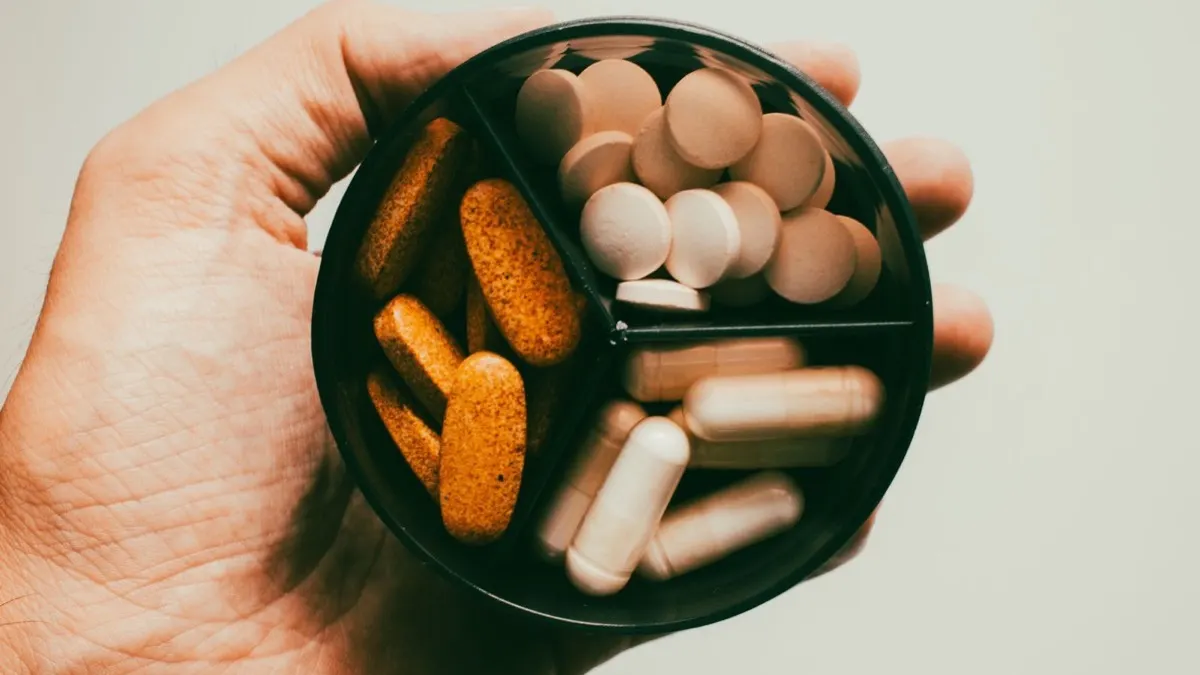
Shops, online sellers and social media all promote supplements for varicose veins, from plant extracts to vitamin blends. It is easy to see the appeal: a capsule seems simpler than a procedure. But the evidence is thin, products vary widely, and some can interact with medicines, particularly blood thinners. This page explains what we know, what we do not, and how to think about safety. It does not recommend any product or amount. Please speak to a doctor or pharmacist before taking any supplement.
Can supplements treat varicose veins?
Varicose veins are caused by faulty valves in the vein wall that let blood flow backwards. A supplement cannot rebuild those valves or shrink a stretched vein. Official guidance on varicose veins, such as NICE CG168 and the ESVS 2022 guidelines, focuses on assessing the veins, compression where suitable, and procedures that close or remove the leaking vein. It does not recommend supplements as a way to treat them.
So if you are hoping a capsule will make visible veins go away, the honest answer is no. See varicose vein myths for other common claims, and home remedies for varicose veins for non-supplement measures.
Horse chestnut and varicose veins
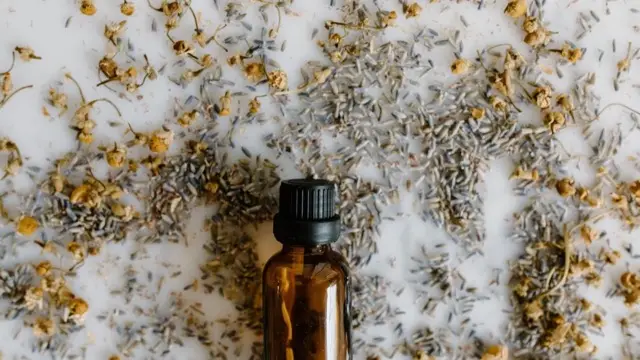
Horse chestnut seed extract is the best-known herbal product for leg veins. Some studies have looked at whether it reduces swelling, aching and heaviness in people with chronic venous insufficiency, and some report modest benefit over a short period. Others are small, short or of mixed quality, and results do not apply to every product, since extracts are standardised differently.
What we can say fairly:
- It is not shown to remove or shrink varicose veins.
- Any benefit is limited to symptoms in some people.
- Raw horse chestnut seed, bark and leaves are toxic and should never be eaten.
- It can cause stomach upset, dizziness, itching or headache in some users, and it can interact with other medicines, including blood thinners and diabetes medicines.
- It is generally not advised in pregnancy, breastfeeding, or kidney or liver disease unless a doctor agrees.
If you are curious, ask a doctor or pharmacist whether it is appropriate for you rather than choosing a product alone.
Other products you may see
Diosmin and hesperidin (flavonoid blends). These are used in some countries as prescribed or over-the-counter products for leg heaviness and swelling. Evidence suggests small symptom benefits in some people, but they do not cure varicose veins, and availability and regulation differ between countries.
Grape seed extract, butcher’s broom, centella (gotu kola) and similar herbs. Studied in small trials, mostly for symptoms. Evidence is limited, and quality is variable.
Vitamin C, vitamin K, rutin and other vitamins. Marketed for vein strength. There is no good evidence that taking extra vitamins repairs veins in people who are not deficient. Some vitamins also affect blood clotting.
Omega-3 and fish oil. Good for general health in some people, but not shown to treat varicose veins, and can add to bleeding risk with blood thinners.
Collagen and “vein support” blends. Marketing often runs ahead of research. Treat bold claims with caution.
Traditional and TCM herbal formulas. Herbal medicine has a long tradition across Singapore and Asia, and many people use it with good intentions. Treat it with the same care as any other medicine: ingredients vary, some formulas contain several herbs at once, and some herbs affect clotting or blood pressure. Tell your doctor and pharmacist, and your TCM practitioner, about everything you take, including prescribed medicines.
Interactions with blood thinners: why this matters
If you take a blood-thinning medicine, for example after a clot or for an irregular heartbeat, adding supplements can be risky. Some products may increase bleeding risk, while others may change how well the blood thinner works. Because the effect is unpredictable, never start or stop a supplement or herbal remedy without checking with your doctor or pharmacist first. See the NHS page on anticoagulant medicines for general guidance. This also applies if you take aspirin or other medicines that affect clotting, before surgery, and in pregnancy.
You should also tell the clinic about all supplements before any vein procedure, since some products need to be paused beforehand, and only your treating doctor can say which.
How to judge a supplement claim
Questions worth asking:
- Does it promise to “dissolve”, “melt” or “cure” varicose veins? That is a red flag.
- Is the evidence mostly testimonials or before-and-after photos? These are not proof.
- Is it registered or regulated where you buy it, and does the label list ingredients clearly?
- Could it interact with something you already take?
- Is it replacing a medical review you need?
Supplement marketing is not held to the standard of medicine licensing, so claims can run ahead of evidence. In Singapore, health products are regulated by the Health Sciences Authority, but a product being sold does not mean it is proven to work.
What can help instead
Evidence-supported steps include walking and calf exercises, avoiding long stillness, raising your legs, healthy weight, and compression stockings where suitable. See exercises for varicose veins, diet for vein health and the compression stockings guide. If symptoms persist, see varicose vein treatments compared.
When to see a doctor
Call 995 if you have sudden chest pain, sudden breathlessness or cough up blood, which can be signs of a blood clot in the lungs.
Seek urgent care for a suddenly swollen, painful, warm or red leg, or a varicose vein that bleeds and will not stop with firm pressure.
Book a visit if you have aching, swelling, skin changes, itching, ulcers or a tender hard vein, or if you take blood thinners or other regular medicines and want to start any supplement. Speak to a doctor or pharmacist first. Our vein symptom check can help you decide, and find a vein specialist explains who to see. Terms are explained in the glossary.
Frequently asked questions
Do supplements for varicose veins work?
There is no good evidence that supplements repair vein valves or remove varicose veins. Some plant extracts have been studied for symptoms like swelling and heaviness, with limited and mixed results.
Does horse chestnut help varicose veins?
Some studies suggest horse chestnut seed extract may reduce leg swelling and discomfort in people with chronic venous problems, but it does not remove varicose veins, and not all studies agree. Products differ, and it can cause side effects and interact with medicines.
Can I take supplements if I am on blood thinners?
Not without checking. Several herbal products and supplements can change how blood thinners work or add to bleeding risk. Always ask your doctor or pharmacist before starting anything.
Are natural supplements automatically safe?
No. Natural does not mean risk-free. Herbal products can cause side effects, vary in strength and quality, and interact with prescribed medicines.
Should I take supplements instead of treatment?
Supplements should not replace a medical assessment. If your veins cause pain, swelling, skin changes or sores, a scan and discussion of treatment options is more reliable than self-treating.
Sources and further reading
This article is general information, not personal medical advice. Please speak to a doctor about your own symptoms. How we create our content.