Searching for home remedies for varicose veins turns up a long list: oils, vinegar, herbal soaks, massage, special diets and more. Some of it is harmless, some is unproven and a few ideas can irritate your skin. This page separates what can genuinely make your legs feel better from the claims that do not hold up. It cannot diagnose your legs, so if yours are changing, painful or swollen, please read the section on when to see a doctor.
What home remedies can and cannot do
Varicose veins develop when one-way valves inside the vein weaken, letting blood flow backwards and pool. This is called venous reflux. It cannot be reversed by anything you put on the skin or swallow, and that is why the honest answer to “can I get rid of varicose veins at home?” is no. See can varicose veins be reversed? and varicose vein myths for the wider picture.
What home care can do is ease symptoms such as aching, heaviness and mild swelling, and support general leg health. Think of it as comfort and prevention, not cure.
Home measures that are worth doing
These are the sensible, low-risk steps supported by guidelines and general medical advice.
- Keep moving. Walking and calf exercises use the calf muscle to push blood upward. Try regular short walks, and see exercises for varicose veins.
- Avoid staying in one position. Long periods of standing or sitting let blood pool. Shift your weight, flex your ankles and take breaks. See standing, sitting and flying with varicose veins.
- Raise your legs. Resting with your feet above hip level for a while can reduce swelling and heaviness.
- Maintain a healthy weight. Extra weight increases pressure in leg veins. See diet for vein health.
- Consider compression stockings. They can relieve aching and swelling. Fit and strength matter, and they are not right for everyone, for example some people with poor arterial circulation. See the compression stockings guide.
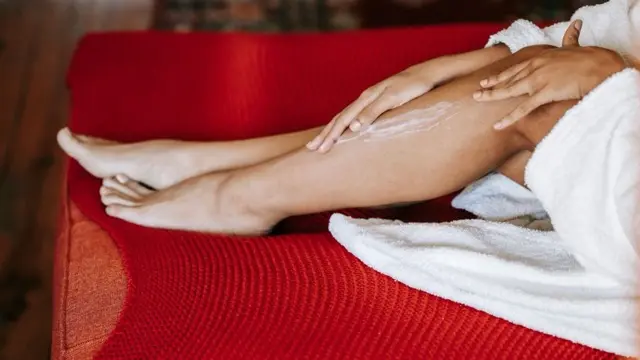
- Look after your skin. Keep the skin moisturised and avoid scratching, as itchy dry skin near varicose veins can break down.
- Be mindful of heat. In hot, humid weather legs often swell more. Cool showers and light, loose clothing may feel better. See heat, humidity and your veins.
Popular remedies: what the evidence says
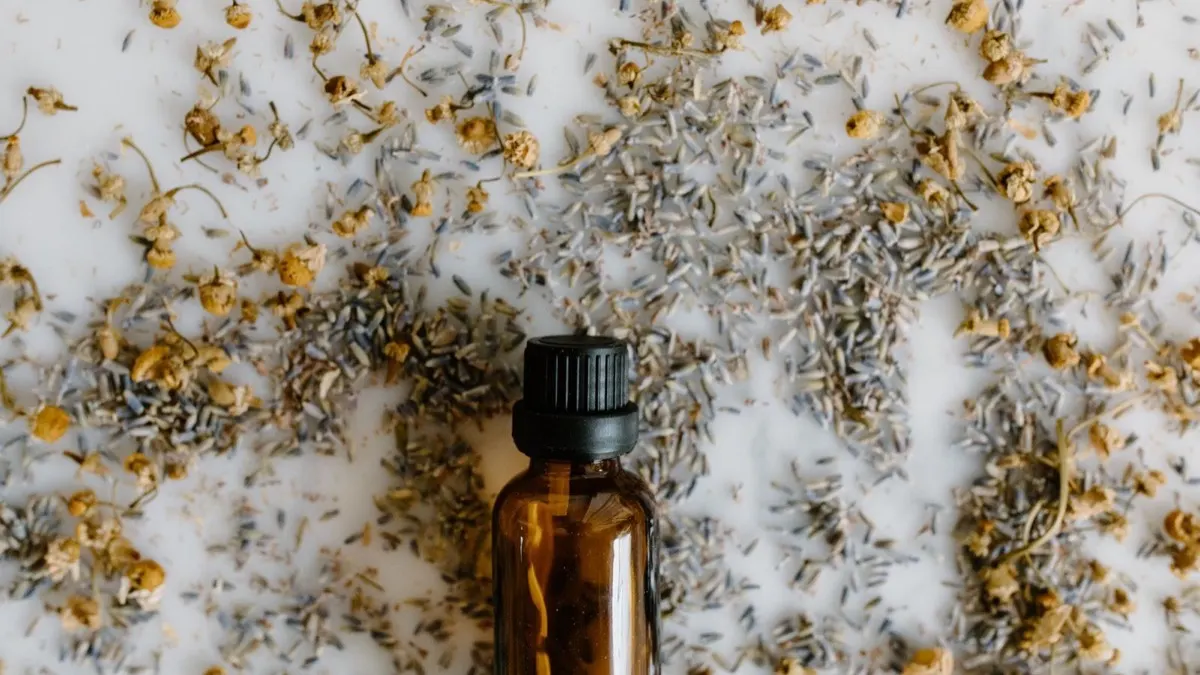
Essential oils. Lavender, cypress, peppermint and similar oils are often suggested. A gentle leg massage with a properly diluted oil can be relaxing, and that is a fair reason to use it. But there is no good evidence that essential oils shrink veins or repair valves. Never apply them undiluted, and avoid broken, inflamed or very sensitive skin. Some are not safe in pregnancy.
Castor oil. Often recommended as a soothing rub. It may moisturise dry skin, but evidence that it improves varicose veins is lacking.
Apple cider vinegar. Frequently shared online as a wrap or dab. It has not been shown to affect vein size, and acidic vinegar can sting, redden or injure skin, particularly with repeated use. Drinking large amounts can irritate the throat and stomach too.
Witch hazel. Used as a cooling skin astringent. It may feel refreshing on warm legs, but there is no evidence it treats varicose veins, and it can dry or irritate skin.
Cold or contrast showers. A cool rinse can feel good and reduce the heavy feeling, but it does not change the underlying valves.
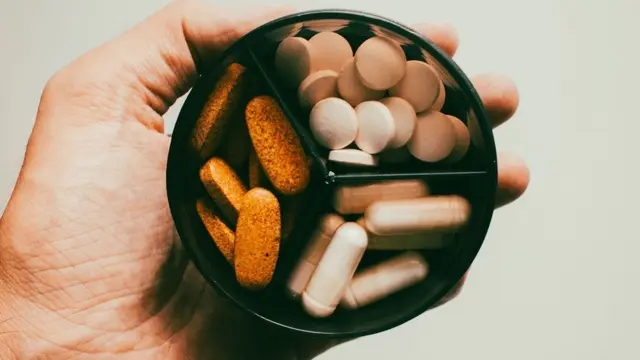
Herbal products and supplements. Plant extracts such as horse chestnut are sold for leg health. Evidence is limited and mixed, and some products interact with medicines, especially blood thinners. See supplements for varicose veins.
Creams and gels. These may cool and soften the skin, but they do not close faulty veins. See do varicose vein creams work?.
Traditional practices. Across Singapore and Southeast Asia, many families use traditional massage, liniments, herbal soaks or TCM herbs for tired legs. These can be soothing and culturally meaningful, and there is no need to feel judged for using them. Just remember that comfort is not the same as treatment, and avoid vigorous rubbing, cupping or scraping over visible veins, hot compresses on swollen legs, and unlabelled herbal mixes. Tell your doctor what you use.
What to avoid
- Deep or hard massage over a varicose vein, especially if it is tender, hard, red or warm. This could be a clot in a surface vein.
- Popping, piercing or cutting a vein, which can cause serious bleeding or infection.
- Hot soaks or saunas for swollen, aching legs.
- Skipping a medical check because a remedy “should” work. A delay can allow skin damage to progress.
- Stopping prescribed medicines to try a natural alternative.
When home care is not enough
Varicose veins that cause persistent aching, swelling, itching, skin darkening, eczema or sores are not just a cosmetic issue. A scan can show whether valves are leaking, and there are minimally invasive treatments that close the faulty vein. See varicose vein treatments compared and what actually removes varicose veins. Home measures can continue alongside treatment.
When to see a doctor
Call 995 if you have sudden chest pain, sudden breathlessness or cough up blood, which could mean a clot in the lungs.
Seek urgent care if a varicose vein bleeds and does not stop with firm, steady pressure (lie down, raise the leg and press), or if a leg becomes suddenly swollen, painful, warm or red. See burst vein in leg.
Book a visit if you have persistent aching or swelling, skin colour changes, itching or eczema near the ankle, a sore that is slow to heal, or a hard, tender cord in a vein. Read when to worry about varicose veins and try our vein symptom check. The find a vein specialist page explains who to see. Terms are in the glossary.
Frequently asked questions
Can home remedies get rid of varicose veins?
No. Varicose veins come from faulty valves in the vein, and nothing applied to the skin or eaten has been shown to repair them. Home measures can ease aching and swelling and may help slow progression, but they do not remove the veins.
Do essential oils help varicose veins?
There is no good evidence that they shrink veins. A gentle massage with a diluted, skin-safe oil may feel relaxing, but undiluted essential oils can cause burns, rashes and allergic reactions.
Does castor oil work for varicose veins?
There is no reliable evidence that castor oil treats varicose veins. It may soften dry skin, but it does not fix the valves.
Is apple cider vinegar good for varicose veins?
There is no evidence that it shrinks varicose veins. Applying vinegar to the skin can sting or damage it, especially if the skin is already thin or inflamed.
Does witch hazel help varicose veins?
It is sometimes used as a cooling astringent, but it has not been shown to treat varicose veins. It can dry or irritate skin.
What can I safely do at home for aching veins?
Walk regularly, avoid long periods of standing or sitting, raise your legs when resting, keep to a healthy weight, and ask a doctor whether compression stockings suit you.
Sources and further reading
This article is general information, not personal medical advice. Please speak to a doctor about your own symptoms. How we create our content.