What is varicose vein surgery today?
When people search for varicose vein surgery, they often picture a long operation with a hospital stay and a scarred leg. That image comes from the older, traditional approach. Today the word “surgery” covers a smaller group of procedures, and many people with varicose veins are treated without any cuts at all.
This page explains what open surgery involves, how it differs from newer options and when it still makes sense. If you want a broad comparison of every method, see varicose vein treatments compared; here we stay with the operations themselves.
First, the problem being fixed. Varicose veins form when the one-way valves in a leg vein fail and blood flows backwards (venous reflux). Pressure builds up and the vein enlarges. Treatment aims to remove or close the leaking vein so blood is redirected to healthier veins. Our overview of varicose veins explains the condition in more detail.
The main types of vein surgery
High ligation and stripping
This is the classic operation, sometimes called a varicose veins operation. It has two parts:
- Ligation. Through a cut in the groin (or behind the knee for the small saphenous vein), the surgeon ties off and divides the diseased vein where it joins the deep vein system. This stops blood from refluxing down into the leg.
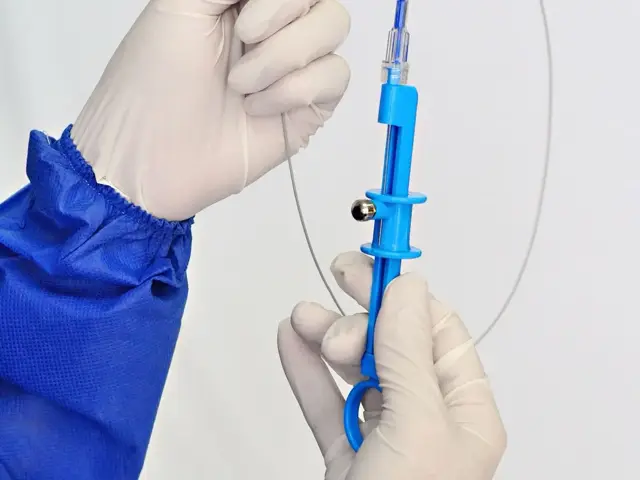
- Stripping. A thin flexible wire is threaded along the vein and the vein is pulled out through a small cut near the knee or ankle. Removing the whole length of vein is meant to stop it from refilling.
Today, stripping is often limited to the upper part of the vein, which can reduce the risk of nerve irritation. The operation is usually done under general or spinal anaesthetic, and sometimes as a day case.
Phlebectomy (avulsion)
Phlebectomy, also called ambulatory or stab avulsion phlebectomy, removes bulging surface veins through tiny punctures a few millimetres long, often using a small hook. It is performed under local anaesthetic or as an add-on to other treatments. Because the cuts are tiny, they often heal with little visible scarring.
Phlebectomy is useful for bulging branch veins that remain after the main trunk vein has been treated. It is not a replacement for treating underlying reflux when reflux is present.
Other open operations
Less common operations include tying off veins that feed ulcers or leaks in the calf (perforator surgery) or treating the small saphenous vein behind the knee. These are chosen case by case, based on a duplex ultrasound map of your veins.
Why surgery is no longer first choice
Modern guidance prefers treatments that are less invasive and have shorter recovery. NICE CG168 recommends offering endothermal (heat-based) ablation first to people with confirmed trunk vein reflux. If that is not suitable, ultrasound-guided foam sclerotherapy is offered, and if that is also unsuitable, open surgery is offered. The ESVS 2022 guideline takes a similar view and supports minimally invasive techniques as the first-line approach for most patients.
Reasons for this ordering generally include shorter recovery, less pain, avoidance of groin incisions and general anaesthetic, and good closure rates. If you want to see how the newer techniques work, read about vein ablation, sclerotherapy and VenaSeal.
When surgery may still be the right choice
Open surgery has not disappeared. It may be suggested if:
- the vein is very large, twisted or has an anatomy that makes a catheter difficult to pass
- previous treatment has failed or reflux has returned
- heat-based, glue or foam treatments are not suitable for you
- bulging branch veins need to be removed, which is common in combination with other procedures
- a particular vein pattern, such as certain perforator or recurrent veins, calls for a surgical approach
In these situations, the decision rests on your scan findings, general health and preferences, and a good specialist will explain why the chosen option fits you rather than defaulting to a single method.
What to expect
Specific steps vary with the operation and the hospital, but a typical pathway looks like this:
- Assessment. A vascular surgeon examines your legs and a duplex ultrasound maps which veins leak.
- Planning. Marks may be drawn on the skin with you standing, so the surgeon can find the veins when you lie down.
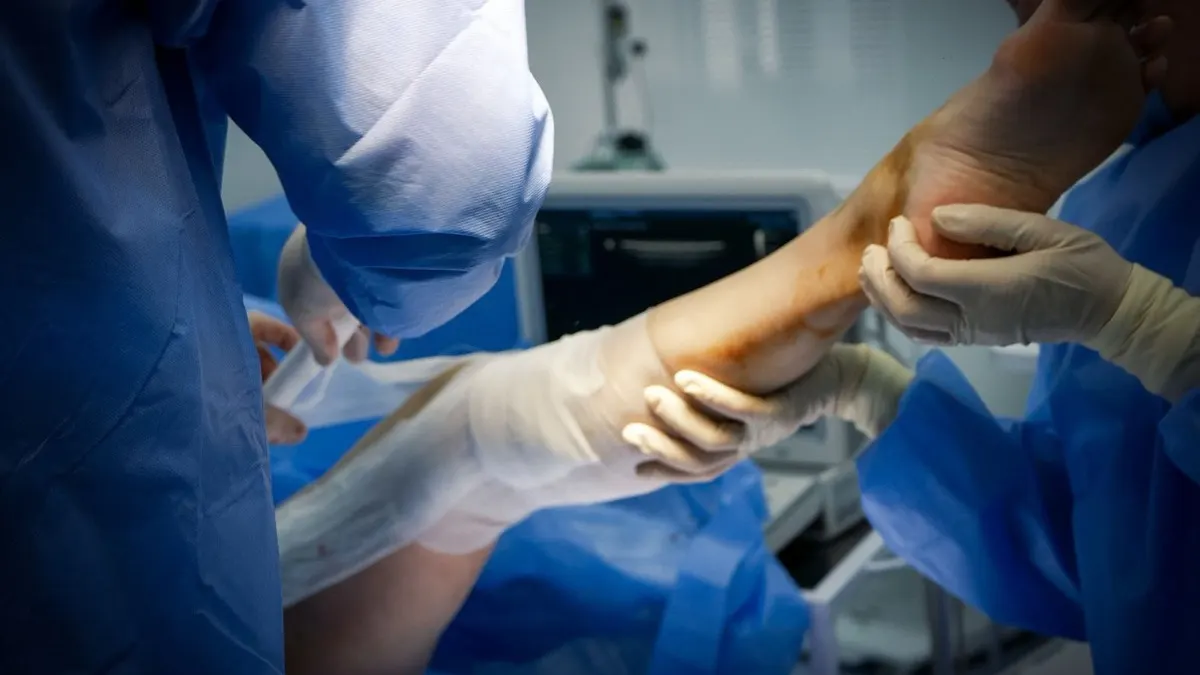
- Operation. Under general, spinal or local anaesthetic, the planned veins are tied, removed or both.
- Afterwards. Bandages or compression stockings are applied. Walking is usually encouraged soon after, and some people go home the same day while others stay a short time.
Recovery
Everyone recovers differently, and it depends on how extensive the operation was. Common experiences include:
- bruising along the vein, which can look dramatic before it fades
- tenderness, tightness and sometimes a pulling feeling in the thigh
- swelling that is worse at the end of the day
- walking encouraged from the start, with rest and leg elevation in between
- compression stockings or bandages for a period set by your surgeon
- returning to desk work within days to a couple of weeks, with heavy lifting and sport later
See recovery after varicose vein treatment for general guidance, and follow your own surgeon’s instructions above anything you read online.
Risks to know about
All operations carry risk. For varicose vein surgery, these include:
- bruising, pain and swelling
- infection or poor wound healing, especially in the groin
- nerve irritation causing numbness, tingling or sensitivity, usually temporary
- bleeding or a collection of blood under the skin
- deep vein thrombosis or, rarely, a clot travelling to the lungs
- recurrence, where veins return or new veins grow, sometimes called neovascularisation
- anaesthetic risks, which depend on your general health
Ask your surgeon how often these occur in their own practice and what you can do to reduce your risk.
When to see a doctor
See a doctor if you have varicose veins and notice:
- aching, heaviness or swelling that affects daily life
- skin changes near the ankle, such as darkening, eczema or hardened skin
- a sore or ulcer that is slow to heal
- bleeding from a vein
- a red, hard, painful lump in a vein
After any operation, contact your surgical team promptly for increasing pain, spreading redness, discharge, fever, or swelling and pain in one calf.
Call 995 or go to the nearest emergency department for sudden chest pain, sudden breathlessness or coughing blood. These can be signs of a blood clot in the lung.
If you are unsure where you stand, our vein symptom check offers general information, and the guide to finding a vein specialist explains what kind of doctor to look for. This article is educational and does not replace personal medical advice.
Frequently asked questions
Is varicose vein surgery still done?
Yes, but less often than before. Guidelines usually recommend heat-based ablation first, then foam sclerotherapy, and keep surgery for people who are unsuitable for those. Surgery remains valuable for some large, twisted or complex veins.
What is vein stripping?
Vein stripping is the removal of a diseased trunk vein, typically the great saphenous vein, by passing a thin wire along its length and pulling it out through small cuts. It is usually combined with ligation, tying off the vein where it joins the deep system.
How painful is varicose vein surgery?
You are asleep or numbed during the operation. Afterwards, bruising and tenderness along the vein are common and usually manageable with the pain relief your team advises. Discomfort generally settles over days to weeks.
How long does it take to recover from varicose vein surgery?
Many people are walking the same day and back to desk work within days to a couple of weeks, but it varies with the operation and your job. Heavy lifting and sport often wait longer. Your surgeon will give personalised guidance.
Will varicose veins come back after surgery?
They can. Surgery removes or disconnects the diseased vein, but the tendency to vein disease remains, and new veins can develop over time. Follow-up and healthy habits help.
Sources and further reading
This article is general information, not personal medical advice. Please speak to a doctor about your own symptoms. How we create our content.