Pelvic congestion syndrome treatment aims to relieve long-lasting pelvic pain caused by enlarged veins in the pelvis. Because many conditions cause pelvic pain, treatment begins with making sure the veins are really the source. After that, options range from simple pain management through to minimally invasive procedures that close the problem veins. This page explains each option in plain English. It is educational and does not replace advice from your own doctor.
First, confirm the diagnosis
Pelvic congestion syndrome (PCS) is a diagnosis made after other causes have been considered. Pelvic pain can come from the womb, ovaries, bowel, bladder, muscles and nerves, and several of these can coexist with PCS. The NHS lists conditions such as endometriosis and bladder or bowel problems among possible causes of long-term pelvic pain.
A typical work-up includes:
- a history and examination, often with a gynaecologist or a vein or vascular specialist;
- ultrasound of the pelvis, sometimes including the pelvic veins;
- CT or MRI to look at the veins and rule out other conditions;
- in some cases, a catheter venogram, in which dye is injected into the veins to see blood flow. This can be combined with treatment.
The condition itself is explained in more detail in our page on pelvic congestion syndrome. Treatment is most likely to work when the symptoms fit PCS and scans support it. Enlarged pelvic veins on a scan, with no symptoms, are generally left alone.
Treatment for pelvic congestion syndrome: the main options
Treatment is chosen according to how severe the symptoms are, scan findings, your age, whether you want future pregnancies, and your preferences. The main groups are below.
1. Self-care and lifestyle measures
These do not cure PCS, but they can make symptoms easier to live with:
- avoid prolonged standing where possible and take regular breaks, since pain often builds through the day;
- lie down with the hips raised when pain flares;
- keep active with walking or swimming, which supports blood flow;
- aim for a healthy weight;
- use heat, such as a warm pack, if it soothes you;
- keep a pain and symptom diary, noting links to periods, activity and intercourse. This helps your doctor see patterns.
2. Pain relief and medicines
Doctors may suggest over-the-counter pain relief and, in some cases, other medicines. Some women are offered hormone-based treatments, because pelvic veins can respond to hormones. Evidence for medicines in PCS is limited, results vary and side effects differ between women. Treatments of this kind need a doctor’s guidance, including for contraception, breastfeeding and clotting risk. Do not start or stop hormonal medicines, or combine pain medicines, without advice. Dosing is a matter for your clinician and is not covered here.
Medicines are often used as a trial period before procedures, or alongside them, because they treat symptoms rather than closing the veins.
3. Pelvic vein embolisation
For people with confirmed PCS and symptoms that affect daily life, pelvic vein embolisation is a commonly used procedure. It is done by an interventional radiologist or a vascular specialist, usually with sedation or light anaesthesia, through a small needle puncture in a vein at the neck or groin.
How it works:
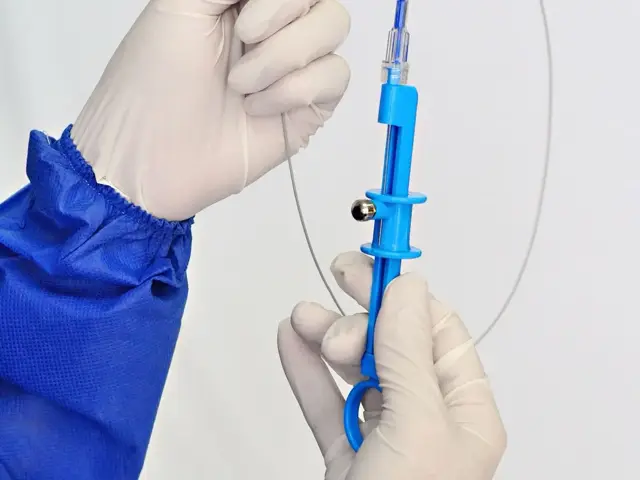
- A thin catheter is guided through the veins to the enlarged pelvic veins, with the help of X-ray imaging and contrast dye.
- Small devices, such as coils or plugs, and sometimes a closing medicine called a sclerosant, are placed in the faulty veins to block them.
- Blood is rerouted through healthy veins, easing the pressure and congestion.
Compared with open surgery, it generally involves a small puncture, little scarring and a quicker return to normal activity. Many people go home the same day or the next, though this varies, and mild pelvic discomfort or bruising can follow. Most people return to light activity within days, but follow the instructions from your own team.
Possible risks include bruising or bleeding at the puncture site, temporary pelvic pain or discomfort, reaction to contrast dye, infection, and, rarely, movement of a coil or plug. Radiation exposure from the X-ray imaging is usually small but should be discussed, particularly if you might be pregnant. Your team should explain what is relevant for you.
What to expect from results. Many women report improvement after embolisation, but results vary. Pain may improve gradually over weeks, some symptoms may remain, and in some people pain returns. If another condition is contributing, treating the veins alone will not fix everything. Your specialist should be honest about the level of evidence and the likelihood of benefit in your case.
Embolisation is a different type of procedure from those used for leg varicose veins, such as vein ablation or sclerotherapy, although both aim to close refluxing veins. Pelvic veins can also feed varicose veins in the vulva, buttock or thigh, so some women are assessed for both. You may find a further overview of how pelvic congestion is treated helpful when preparing questions.
4. Surgery
Surgery on the ovarian or pelvic veins, for example tying off the ovarian veins through keyhole surgery, was used more in the past. It is now less common, because embolisation is less invasive. It may still be considered when embolisation is not possible or has not worked. Hysterectomy with removal of the ovaries has been used for severe, persistent cases, but it is a major step with lasting hormonal consequences and is generally a last resort. Any such decision requires careful discussion, including fertility, hormone effects and alternatives.
Treating related leg veins
Women with PCS sometimes also have varicose veins in the legs, vulva or buttock. Treating pelvic reflux may help these, but they may need their own treatment. Compression stockings can help leg symptoms, and our compression stockings guide explains how to use them. For information about leg varicose veins, see varicose veins and varicose vein treatments compared.
How do you choose between options?
Questions worth discussing with your doctor include:
- How sure are we that the pelvic veins are the cause of my pain?
- Which other conditions have been considered or treated?
- What is the expected benefit and how long might it take?
- What are the risks of the procedure for me?
- How will pain be managed afterwards?
- What happens if it doesn’t work?
- Do I plan future pregnancies, and does that change my options?
- Who will do the procedure, and how often do they do it?
Because PCS is not well recognised, it is reasonable to ask for a second opinion or a multidisciplinary review involving gynaecology and vascular or interventional radiology teams.
After treatment
Aftercare differs by procedure, but commonly includes:
- resting for a short period and avoiding heavy lifting or strenuous exercise until your team says it is safe;
- keeping the puncture site clean and watching for bleeding, swelling or infection;
- taking pain relief as advised;
- attending follow-up, with repeat imaging if symptoms persist.
Some pain may continue for a while as the veins settle. Contact your team if pain is severe or worsening, if you develop fever, or if the puncture site becomes red, swollen or is bleeding.
Living with PCS in the longer term
PCS is not known to be life-threatening, but it can affect work, relationships and mood. Gentle activity, pacing your day, talking about pain with people you trust, and seeking support if you feel low are all reasonable. In some women symptoms ease after menopause, but waiting is not necessary if pain is affecting your life.
When to see a doctor
See a doctor if you have a dull, aching or heavy pelvic pain lasting several months, particularly if it is worse at the end of the day or after standing, or if pain affects daily life. Do not assume pelvic pain is normal.
Seek urgent care, and call 995 if you have:
- sudden, severe pelvic or abdominal pain;
- heavy vaginal bleeding or fainting;
- fever with severe pelvic pain;
- sudden chest pain, breathlessness or coughing blood, which may suggest a clot in the lungs (see the NHS page on pulmonary embolism);
- sudden swelling, redness and pain in one leg.
You can use our vein symptom check to organise your symptoms, and read about choosing a vein specialist.
Frequently asked questions
What is the best treatment for pelvic congestion syndrome?
There is no single best option for everyone. Many specialists consider pelvic vein embolisation for people with confirmed PCS and bothersome symptoms, while others start with pain management and observation. The choice depends on symptoms, scan findings, plans for pregnancy and personal preference.
Does pelvic congestion syndrome go away on its own?
It can ease after menopause in some women, because hormone levels fall. It does not reliably resolve without treatment, and symptoms in younger women may persist for years.
Is embolisation for pelvic congestion syndrome safe?
It is generally regarded as a low-risk procedure compared with open surgery, but it carries risks such as bruising at the puncture site, temporary pain, and rarely coil or plug movement, infection or reactions to contrast dye. Your specialist should explain the risks for your situation.
Can pelvic congestion syndrome come back after treatment?
Symptoms can return or may not improve fully, for example if other pain sources coexist or other veins become involved. Follow-up helps identify these situations.
Do I need treatment if I have no symptoms?
Enlarged pelvic veins seen on a scan without symptoms usually do not need treatment. Treatment is for symptoms, not for the scan appearance alone.
Sources and further reading
This article is general information, not personal medical advice. Please speak to a doctor about your own symptoms. How we create our content.