The short answer
Can varicose veins be reversed? For established varicose veins, the honest answer is usually no, not by lifestyle alone. Varicose veins form when the one-way valves inside a leg vein stop closing properly. Blood then slips backwards and pools, and the vein stretches, twists and bulges. A valve that has failed does not grow back or heal itself, and a vein that has stretched does not return to its original shape.
That does not mean nothing can be done. There is a useful difference between three goals that people often mix together:
- Easing symptoms, such as aching, heaviness and swelling. Lifestyle changes and compression can help here.
- Slowing progression, meaning fewer new veins and less worsening over time. Healthy habits may help, though results vary.
- Removing the problem veins. This is what medical treatment does, by closing or removing the faulty vein.
If you want the basics first, see our guide to varicose veins and how veins work.
Why damaged valves do not repair themselves
Veins in the legs carry blood up towards the heart against gravity. Small valves act like swing doors, opening to let blood up and closing to stop it falling back. Your calf muscles squeeze the deep veins as you walk and push blood along.
When a valve leaflet becomes stretched, thinned or scarred, the door no longer seals. Over time the pressure rises in that section of vein, and the wall can weaken further. Common reasons include family history, increasing age, pregnancy, hormonal factors, a job with long periods of standing and, for some people, previous vein clots or injury. You can read more in are varicose veins genetic?.
Because the tissue involved is structural, there is no cream, supplement, food or exercise that has been shown to rebuild a valve. This is why claims of “reversing varicose veins naturally” deserve caution. See varicose vein myths and do varicose vein creams work? for what the evidence says.
Can varicose veins go away on their own?
Sometimes veins look better for a while, but true disappearance of established varicose veins is uncommon. A few situations are worth knowing about:
- Mild or early veins may seem less noticeable when swelling goes down, after weight loss or when you are cooler and less tired.
- Veins that appeared in pregnancy can improve in the months after delivery for some women, though others keep them. See varicose veins after pregnancy.
- Spider veins are different from varicose veins and are mostly a cosmetic issue, though they can also persist. See spider veins.
- A vein that clots may harden and shrink, but this is not a cure and can be painful. It needs a doctor’s assessment. See phlebitis.
In warm, humid climates such as Singapore, legs often swell more in the afternoon, which can make veins look worse. That is a symptom change, not a change in the underlying valves. Our page on heat, humidity and your veins explains this.
What lifestyle changes can and cannot do
Healthy habits are worth the effort, as long as expectations are realistic. They may reduce symptoms and take strain off the veins, and they may slow how quickly things change in some people. They are not a method of reversing the veins.
| Habit | What it may help with | What it cannot do |
|---|---|---|
| Regular walking and calf exercises | Better blood return, less aching and swelling | Repair valves or shrink bulging veins |
| Keeping a healthy weight | Less pressure on leg veins | Remove existing varicose veins |
| Breaking up long sitting or standing | Less pooling and fatigue | Cure the underlying valve problem |
| Raising your legs when resting | Short-term relief of swelling | Change the veins long term |
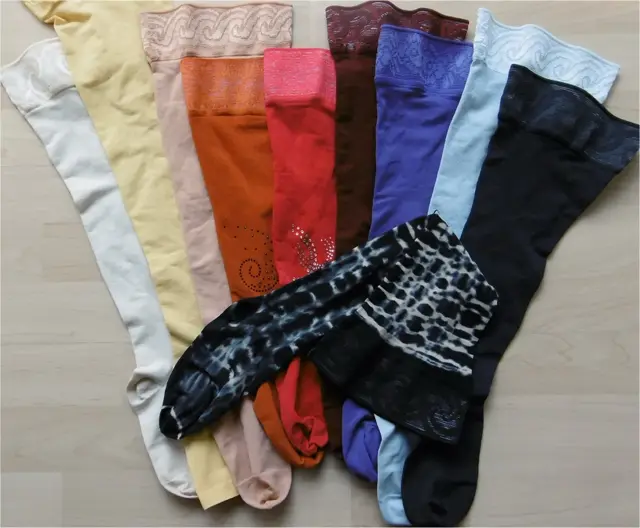
| Compression stockings | Symptom relief while worn | Reverse or cure the condition |
For practical ideas, see exercises for varicose veins, how to prevent varicose veins and our compression stockings guide.
What treatment actually does
Treatment does not repair the faulty valve either. Instead, it deals with the vein that has the faulty valve. Depending on the pattern of disease, options include:
- Endovenous ablation, where heat or glue closes the main faulty vein from the inside. See vein ablation.
- Sclerotherapy, where a medicine is injected so the vein closes and is gradually absorbed. See sclerotherapy.
- Phlebectomy or surgery, where veins are removed through small cuts or, less often, tied off and removed. See phlebectomy and varicose vein surgery.
Once the diseased vein is closed or removed, blood is rerouted through other healthy veins in the leg. Most people have plenty of these. Visible bulges often flatten and symptoms often ease, although results vary and no one can promise an outcome. A comparison is in varicose vein treatments compared.
NICE guidance in the UK (CG168) generally recommends that people with symptomatic varicose veins are offered an assessment and, where appropriate, endovenous treatment, with compression as an option when treatment is not suitable. Whether treatment is right for you depends on your symptoms, the scan findings and your own preferences. Many people with no symptoms choose to monitor their veins instead.
Can they come back?
Treatment closes the veins that were treated, and those tend to stay closed. But the tendency that caused varicose veins in the first place, such as genes, age and hormones, does not go away, so new veins can appear over the years. Some people never need further treatment and others do. A doctor can explain your own risk. If you want to weigh up the options, what actually removes varicose veins walks through them.
When to see a doctor
See a doctor if you notice:
- varicose veins that are painful, throbbing or make your legs feel heavy most days
- skin changes near the ankle, such as darkening, a rash, itching or hardening
- a hard, red, tender vein, or swelling of the lower leg
- bleeding from a vein, or a sore that is slow to heal
- any new swelling you cannot explain
Our vein check tool can help you think through symptoms, and when to worry about varicose veins lists warning signs in more detail. If you want to be assessed, see finding a vein specialist.
Call 995 immediately for sudden chest pain, breathlessness or coughing blood, or if one leg suddenly becomes swollen, painful and warm. These can be signs of a blood clot that has travelled to the lungs.
This article is general education and does not replace advice from a doctor who has examined your legs.
Frequently asked questions
Can varicose veins go away on their own?
Established varicose veins rarely do. Small, mild veins may look less obvious at times, for example after weight loss or when swelling settles, and pregnancy-related veins sometimes improve in the months after delivery. But a vein with faulty valves generally stays that way without treatment.
Can exercise reverse varicose veins?
No. Walking and calf exercises help blood move upwards and can ease aching and swelling, but they cannot repair a damaged valve or shrink an enlarged vein. They are still worth doing for comfort and general health.
Can compression stockings reverse varicose veins?
They support the veins and reduce symptoms such as heaviness and swelling while you wear them. They do not cure the underlying problem, and the veins usually look and behave the same once you stop.
Can varicose veins be prevented from getting worse?
Not with certainty, but healthy habits may help. Staying active, keeping a healthy weight, avoiding long periods of standing or sitting and treating symptoms early can reduce strain on the veins. Some people progress slowly and others faster, largely because of inherited factors.
If I have treatment, can varicose veins come back?
Treated veins usually stay closed, but new veins can develop over the years because the tendency that caused the first ones is still there. A doctor can explain your own risk and whether follow-up is sensible.
Sources and further reading
This article is general information, not personal medical advice. Please speak to a doctor about your own symptoms. How we create our content.