Puffy feet and tight shoes at the end of the day are common, and people naturally want to know how to reduce water retention quickly. The honest answer is that simple habits help many people, but there is no shortcut, and the right approach depends on why the fluid is there. This page covers safe self-care for the legs and feet and the signs that mean you should see a doctor. It does not cover medicines.
Do not self-treat swelling that is in one leg only, sudden, painful or warm. This can be a blood clot or infection. Call 995 for breathlessness, chest pain or coughing blood. Get same-day medical care for swelling with fever or spreading redness.
First, understand the cause
Self-care works best for swelling from heat, long standing or sitting, a salty meal, or mild vein weakness. If water retention is caused by a heart, kidney, liver or medicine problem, home steps may help comfort but cannot replace treatment. Our page on what causes water retention in the legs and feet explains the possibilities.
Move your legs often
The calf muscles act as a pump, squeezing the leg veins to push blood and fluid upward. When you stay still, that pump switches off.
- Walk for a few minutes every hour if you sit or stand for work
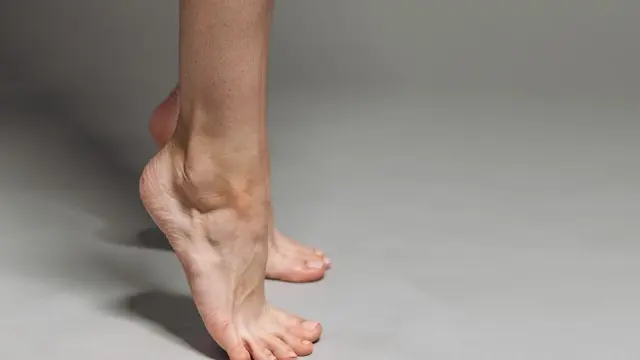
- Rise onto your toes and lower slowly, or flex and point your feet, while seated
- Take stairs when you can, and aim for regular walking, swimming or cycling
- On long flights, stand and walk the aisle when it is safe
More ideas are in exercises for varicose veins and standing, sitting and flying.
Raise your legs
Lying down with your legs resting above heart level lets gravity help fluid drain back. Try 20 to 30 minutes, a few times a day, with your feet on pillows or the arm of a sofa. This is also the simplest answer to how to get rid of water retention overnight: raise the legs in the evening, avoid heavy salty dinners and keep walking through the day. Do not expect swelling to vanish completely by morning.
Go easy on salt
Salt makes the body hold on to water. Many local foods, sauces, stock, instant noodles and processed meats are high in sodium. Ways to cut back without a strict diet:
- Taste before adding sauce or salt
- Leave most of the soup or gravy
- Choose fresh ingredients more often than packaged ones
- Check nutrition labels for sodium
This is general advice in line with national healthy eating guidance. If you have heart, kidney or liver disease, follow your own doctor’s or dietitian’s plan.
Keep cool and comfortable in the tropics
Heat widens blood vessels and encourages fluid to pool. Spending time in air-conditioned rooms, taking cool showers, avoiding long periods in the sun and wearing loose, breathable clothing can help. Our page on heat, humidity and your veins goes into more detail. Avoid tight socks, waistbands and shoes that leave deep marks.
Consider compression
Graduated compression stockings gently squeeze the lower leg and help push fluid back up. They can reduce swelling from weak veins or long standing in many people. They are not right for everyone, particularly people with poor leg arteries, numbness, certain skin problems or heart failure, so ask a doctor or pharmacist first and make sure they are properly fitted. See the compression stockings guide and compression stockings for swelling.
Drink normally and keep a healthy weight
Drinking enough water does not cause swelling. For most people, normal drinking is fine, and cutting fluids sharply can backfire. Fluid limits are only for specific medical conditions and are set by a doctor. Gradual weight loss, if you are carrying extra weight, lowers pressure on leg veins over time.
Small daily habits that add up
No single step does much on its own, but together they often make evenings more comfortable. Take your shoes off when you can, avoid sitting with your legs crossed or hanging down for hours, and break up long meetings or journeys with a short walk. Keep a simple note of when swelling is worst and what you ate or did that day. Patterns, such as swelling after salty meals or long flights, help both you and your doctor.
What about remedies, teas and “cures”?
Searches for water retention remedies and a water retention cure turn up detox teas, slimming products, supplements and diuretic pills. Be cautious. Some can cause dehydration, low potassium or other salt imbalances and may hide a medical problem. There is also little good evidence for most herbal “cures”. Prescribed water tablets are a medical treatment for specific conditions and should only be used on a doctor’s advice. If you want to relieve water retention without medicines, the habits above are the safest start.
Water retention treatment: when a doctor is needed
Proper water retention treatment depends on the cause. A doctor may change a medicine that is causing swelling, treat a heart, kidney or liver condition, treat an infection, or treat leg veins that are leaking. If your swelling keeps returning and you also notice aching, visible veins or skin changes, vein disease may be involved; see chronic venous insufficiency and venous insufficiency treatment. Our vein symptom check is a starting point, and the glossary explains the terms.
When to see a doctor
Call 995 for swelling with sudden shortness of breath, chest pain, coughing up blood or fainting.
Get same-day care for:
- One leg suddenly swollen, painful, warm or discoloured
- Hot, red, spreading skin or fever
- Pregnancy with sudden swelling of the face or hands, severe headache or vision changes
See a doctor soon if swelling:
- Does not improve after a few days of the steps above
- Keeps coming back or is getting worse
- Comes with weight gain over days, breathlessness lying flat, or needing more pillows
- Begins after starting a new medicine
- Comes with skin colour changes, itching or an ulcer
Your GP can check the cause and refer you if needed; see find a vein specialist.
This page is educational and does not replace personal medical advice.
Frequently asked questions
How can I get rid of water retention overnight?
You usually cannot remove it completely overnight, but lying down with your legs raised above heart level for 20 to 30 minutes, walking earlier in the day and going easy on salty food often make a visible difference by morning. Swelling that is still there after several days needs checking.
Do I need to drink less water to reduce water retention?
No. For most people with everyday swelling, drinking too little does not help and can leave you dehydrated. Fluid limits are only for certain heart or kidney conditions and should be set by a doctor.
Do compression stockings help with water retention?
They can help when swelling comes from weak leg veins or long standing. They are not suitable for everyone, for example if you have poor leg circulation or certain skin problems, so check with a doctor or pharmacist about fit and suitability first.
Are there remedies or cures for water retention I should avoid?
Be wary of detox teas, slimming products and over-the-counter diuretics promising a quick cure. They can cause dehydration and salt imbalances and can hide a medical cause. Speak to a doctor before using them.
How long does water retention take to go down?
Swelling from a hot day or a long flight often eases within a day with movement and leg elevation. Swelling that lasts more than a few days or keeps coming back should be assessed.
Sources and further reading
This article is general information, not personal medical advice. Please speak to a doctor about your own symptoms. How we create our content.